
Who Is Liable for an E-Scooter Accident?
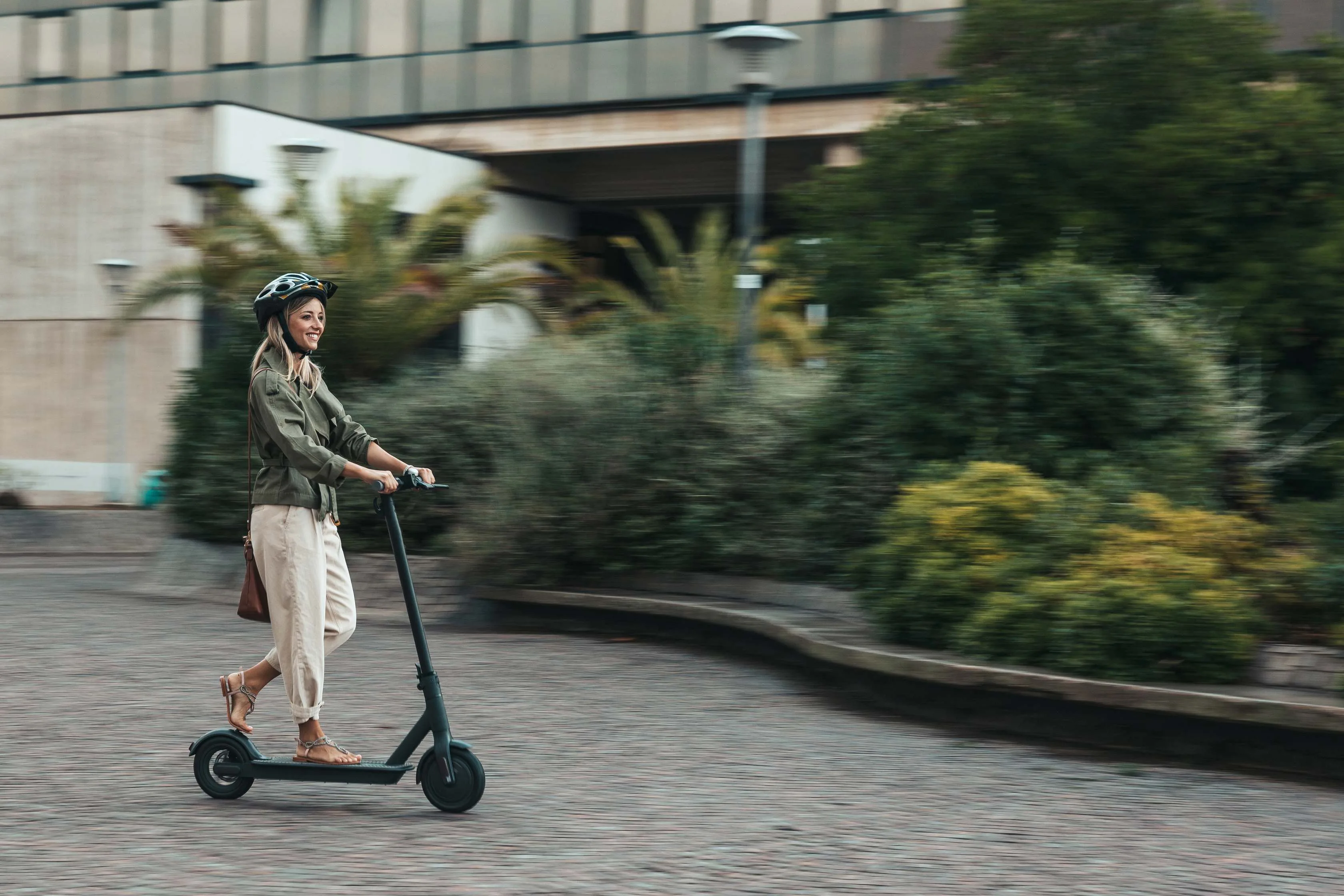
E-scooters are everywhere in Los Angeles and Orange County. You see them on sidewalks, bike lanes, and streets. But when accidents happen, figuring out who's responsible gets complicated fast.
Let's break down the different parties who might be liable when an e-scooter accident occurs.
The E-Scooter Rider
Sometimes the rider themselves is at fault. This happens when they break traffic laws or act recklessly.
Riders can be liable if they:
- Ride on sidewalks where it's prohibited
- Ignore traffic signals or signs
- Ride under the influence of alcohol or drugs
- Fail to wear required safety gear
- Ride at excessive speeds
In Los Angeles, e-scooter riders must follow the same traffic rules as bicycles. Orange County has similar regulations. If a rider violates these rules and causes an accident, they could be held responsible for damages.
Motor Vehicle Drivers
Car and truck drivers often share fault in e-scooter accidents. Many drivers aren't used to sharing the road with these small vehicles.
Drivers might be liable when they:
- Fail to check blind spots before turning
- Follow too closely behind e-scooters
- Speed through areas with heavy scooter traffic
- Don't yield right-of-way when required
- Drive distracted or impaired
For example, if a driver makes a right turn without checking their mirror and hits an e-scooter rider in the bike lane, the driver would likely be at fault.
E-Scooter Companies
The companies that own and maintain e-scooters can also face liability. Bird, Lime, and other scooter companies have responsibilities to keep their vehicles safe.
Scooter companies might be liable for:
- Mechanical failures like brake problems
- Poor maintenance leading to accidents
- Defective batteries or electrical systems
- Inadequate safety warnings or instructions
- Placing scooters in dangerous locations
These companies collect data on their scooters constantly. They know when brakes fail or batteries malfunction. If they don't fix known problems quickly, they could be held responsible for resulting accidents. Similar to how defective e-bikes can lead to product liability claims, faulty e-scooters create grounds for legal action against manufacturers and rental companies.
Cities and Municipalities
Los Angeles and Orange County cities have a duty to maintain safe roads and infrastructure. When they fail to do this, accidents can happen.
Cities might be liable for:
- Poorly maintained roads with potholes or debris
- Inadequate signage or traffic controls
- Dangerous road design that doesn't account for e-scooters
- Blocked or poorly marked bike lanes
- Faulty traffic signals
Suing a government entity has special rules and deadlines. You typically have much less time to file a claim against a city than against a private party. The complexity of these cases often requires specialized legal knowledge to navigate successfully.
Property Owners
Sometimes private property owners contribute to e-scooter accidents. This usually involves premises liability issues.
Property owners might be liable when:
- Their landscaping blocks visibility at intersections
- Water from sprinklers creates slippery conditions on sidewalks
- Poor lighting makes it hard to see hazards
- Construction activities create dangerous conditions
Construction zones present particularly high risks for e-scooter riders. Debris, uneven surfaces, and temporary barriers can cause serious accidents. Property owners must provide adequate warnings about these hazards.
Determining Fault
California uses "comparative negligence" rules. This means fault can be split between multiple parties.
Here's how it works: Say an e-scooter rider gets hit by a car. The rider was going slightly over the speed limit, but the driver was texting. The rider might be 20% at fault, and the driver 80% at fault. The rider could still recover 80% of their damages from the driver.
This system makes fault determination complex. Insurance companies and lawyers spend a lot of time arguing over percentages. Expert witnesses often testify about accident reconstruction and the specific factors that contributed to the crash.
Evidence Matters
Proving liability requires solid evidence. The more evidence you have, the stronger your case becomes. Understanding what evidence helps prove accident claims applies equally to e-scooter cases.
Important evidence includes:
- Photos of the accident scene and damage
- Police reports and citations
- Witness statements and contact information
- Medical records documenting injuries
- E-scooter data logs and maintenance records
- Traffic camera or security camera footage
E-scooter companies keep detailed data on their vehicles. This information can show if the scooter was working properly or if there were mechanical problems. GPS data reveals speed, braking patterns, and exact locations during accidents. This technical evidence often proves crucial in establishing fault.
Road Hazard Considerations
Road conditions play a major role in e-scooter accidents. Potholes that barely affect cars can send scooter riders flying. Wet leaves, construction debris, and uneven pavement create significant dangers for these lightweight vehicles.
Weather conditions also matter significantly. Rain makes surfaces slippery and reduces visibility. Wind can destabilize riders, especially on bridges or open areas. Cities have ongoing responsibilities to address these hazards promptly.
Insurance Complications
E-scooter accidents create unique insurance issues. Most personal auto insurance policies don't cover e-scooter use.
Some scooter companies carry liability insurance, but coverage varies widely. The insurance might not cover all types of accidents or injuries.
If you're hurt in an e-scooter accident, you might need to look to:
- The other driver's auto insurance
- The scooter company's policy
- Your own health insurance
- Uninsured motorist coverage
Medical payments coverage under your auto policy might help with immediate expenses. However, long-term injury costs often exceed these basic coverage limits, making it essential to identify all available insurance sources.
Time Limits
California has strict deadlines for filing injury claims. You generally have two years from the accident date to file a lawsuit.
But if a government entity might be liable, you have much less time. Claims against cities often must be filed within six months.
Don't wait to investigate your options. Evidence disappears quickly, and witnesses forget details. Security cameras might overwrite footage within days or weeks of an accident.
Getting Help
E-scooter accident cases involve multiple areas of law. Product liability, traffic law, premises liability, and government liability might all apply to your case.
An experienced attorney can help you identify all potentially liable parties and gather the evidence needed to prove your case. They can also handle the complex insurance issues that often arise. If you're unsure about your current legal representation, getting a second opinion from another attorney can provide valuable perspective on your case's strength and potential value.
If you've been hurt in an e-scooter accident in Los Angeles or Orange County, don't try to handle everything alone. The liable parties and their insurance companies will have lawyers working to minimize their responsibility.
Remember that multiple parties often share fault in these accidents. A thorough investigation might reveal liability sources you hadn't considered initially. Insurance companies frequently try to shift blame to minimize their payouts, making experienced legal representation essential for protecting your rights.

Talk to a UCLA-trained attorney directly.