
Understanding E-Scooter Injury Claims in California
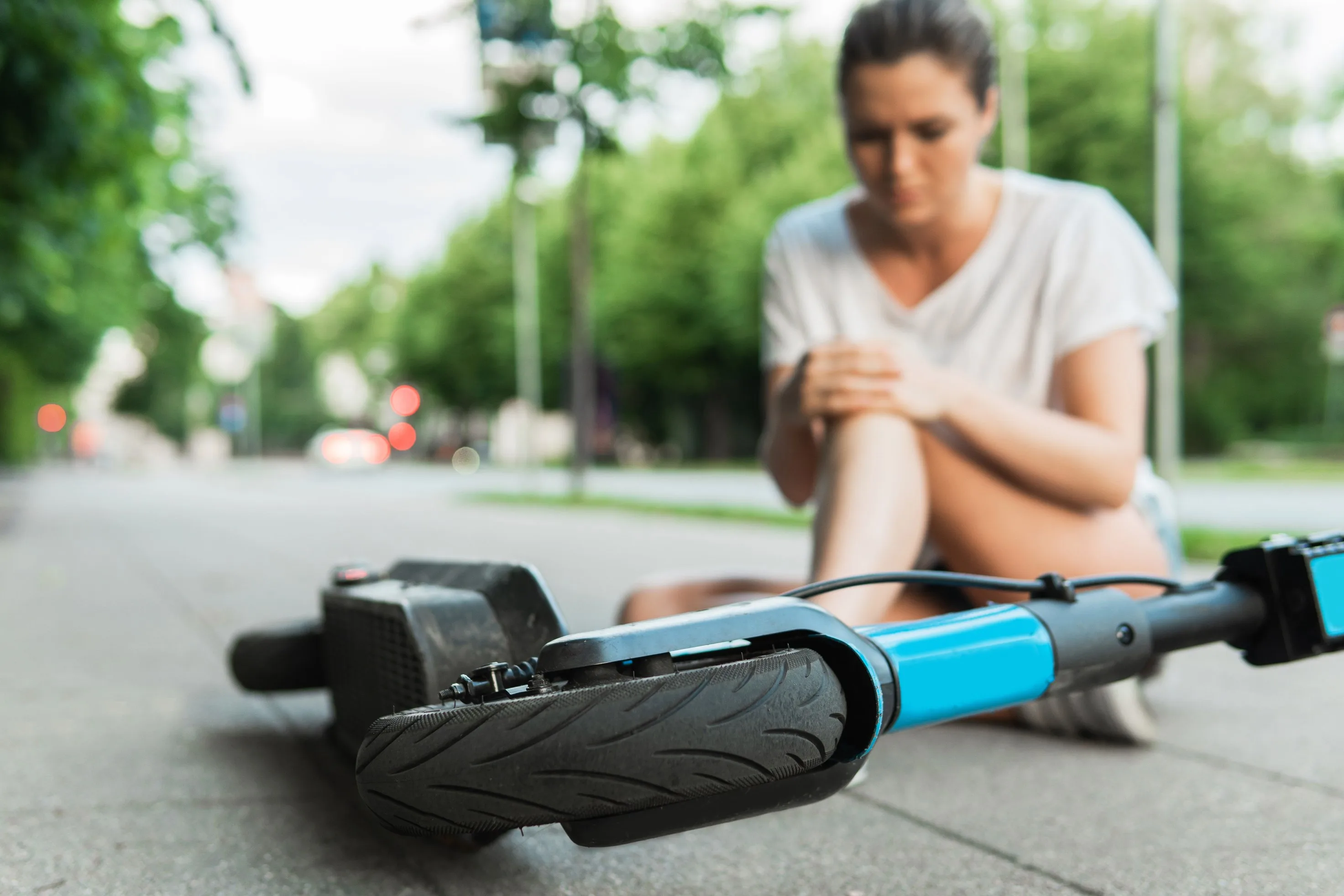
E-scooters are everywhere in California. You see them lined up on sidewalks in Los Angeles and scattered across Orange County streets. They're convenient and fun, but they also come with risks.
When accidents happen, understanding your rights becomes crucial. Let's break down what you need to know about e-scooter injury claims in California.
Why E-Scooter Accidents Are Common
E-scooters move fast but offer little protection. Riders share space with cars, pedestrians, and cyclists. This creates a perfect storm for accidents.
In busy areas like downtown Los Angeles or Newport Beach, the risks multiply. Heavy traffic, crowded sidewalks, and distracted drivers all contribute to accident rates. Similar to e-bike accidents caused by road hazards, e-scooter riders face numerous environmental dangers that can lead to serious injuries.
Common accident scenarios include:
- Cars turning without seeing e-scooter riders
- Door strikes from parked vehicles
- Pothole or road defect crashes
- Collisions with pedestrians
- Falls due to mechanical failures
Common E-Scooter Injuries
E-scooter accidents often result in serious injuries. Without the protection of a car or truck, riders absorb the full impact.
Head injuries are particularly concerning. Even minor falls can cause concussions. More severe crashes can lead to traumatic brain injuries with long-term consequences.
Other common injuries include:
- Broken bones, especially arms and wrists
- Road rash and lacerations
- Shoulder and collarbone fractures
- Knee and ankle injuries
- Spinal cord damage
Emergency rooms in Los Angeles and Orange County have seen a steady increase in these types of injuries over recent years. The severity of these injuries often requires extensive medical treatment and rehabilitation.
Who Can Be Held Liable?
Determining fault in e-scooter accidents can be complex. Multiple parties might share responsibility.
Drivers who hit e-scooter riders often bear primary responsibility. This includes failing to yield, texting while driving, or not checking blind spots.
E-scooter companies might be liable if mechanical defects caused the accident. Poor maintenance, faulty brakes, or defective batteries can all lead to crashes. Much like defective e-bikes that lead to product liability claims, malfunctioning e-scooters can create grounds for holding manufacturers accountable.
Property owners could face liability for dangerous conditions. A cracked sidewalk or poorly maintained parking lot might contribute to an accident.
Government entities might be responsible for road hazards. Potholes, missing traffic signals, or inadequate signage can all play a role.
Sometimes the e-scooter rider shares fault. California follows comparative negligence rules. This means you can still recover compensation even if you were partially at fault. Understanding how fault allocation works requires careful legal analysis of all circumstances surrounding the accident.
Insurance Complications
E-scooter insurance coverage creates confusion for many people. Most personal auto insurance policies don't cover e-scooter accidents.
E-scooter companies carry some insurance, but coverage limits are often low. These policies typically focus on protecting the company rather than injured riders. The fine print in user agreements often attempts to limit company liability, though these provisions may not always hold up in court.
If a driver caused your accident, their auto insurance should cover your damages. However, many drivers carry only minimum coverage amounts. In California, minimum liability coverage is often insufficient for serious injuries.
Your health insurance will typically cover medical treatment. But you might still face copays, deductibles, and coverage gaps. Navigating these various insurance layers requires careful attention to detail and persistent follow-up.
What Compensation Is Available?
E-scooter injury victims can seek various types of compensation. The amount depends on injury severity and case circumstances.
Medical expenses form the foundation of most claims. This includes emergency room visits, surgery, physical therapy, and ongoing treatment costs. Future medical needs must also be considered, especially for permanent injuries.
Lost wages compensate for time away from work. This covers both past lost income and future earning capacity if injuries cause permanent disability.
Pain and suffering addresses the physical discomfort and emotional impact of injuries. Severe or permanent injuries typically warrant higher pain and suffering awards.
Property damage covers damage to personal belongings like phones, laptops, or clothing damaged in the accident. While often a smaller component, these costs add up quickly.
The Claims Process
E-scooter injury claims follow a specific process. Understanding the steps helps you protect your rights.
First, seek immediate medical attention. Your health comes first, and medical records document your injuries.
Document everything you can remember about the accident. Take photos of the scene, the e-scooter, and your injuries. Get contact information from witnesses. Time is critical - evidence disappears quickly in busy urban environments.
Report the accident to the e-scooter company through their app. Also notify any involved insurance companies. Keep detailed records of all communications with these parties.
Keep detailed records of all expenses related to your injuries. This includes medical bills, prescription costs, and work missed.
Be cautious about giving recorded statements to insurance companies. They might use your words against you later. Insurance adjusters are trained to minimize claim values, so proceed carefully.
California-Specific Considerations
California law treats e-scooters similarly to bicycles in many situations. Riders must follow traffic laws and use bike lanes where available.
Helmet requirements vary by location and age. While not always legally required, wearing a helmet significantly reduces head injury risks. Some insurance companies may try to reduce settlements if you weren't wearing a helmet, even when not legally required.
California's statute of limitations gives you two years to file a personal injury lawsuit. However, claims against government entities have much shorter deadlines - sometimes as brief as six months.
Different cities have varying e-scooter regulations. Los Angeles and Orange County cities each maintain their own rules about where e-scooters can operate. Violating local ordinances could impact your claim, though it doesn't automatically bar recovery.
When to Seek Legal Help
Some e-scooter accidents result in minor injuries with straightforward insurance claims. Others involve serious injuries and complex liability questions.
Consider consulting an attorney if you suffered significant injuries, face disputed liability, or encounter insurance company delays or denials. The complexity of e-scooter cases often benefits from professional legal guidance.
Many personal injury attorneys offer free consultations. This allows you to understand your options without upfront costs. Getting a second opinion and knowing what to ask a new attorney can help you make the best choice for your situation.
Remember that e-scooter accident claims involve unique challenges. The rapid growth of e-scooter usage has outpaced legal and insurance frameworks in many areas. Courts are still developing precedents for these relatively new types of cases.
Understanding your rights and options helps you make informed decisions about your e-scooter injury claim. Take time to evaluate your situation and seek appropriate help when needed. The decisions you make in the first few weeks after an accident can significantly impact your ability to recover fair compensation.

Talk to a UCLA-trained attorney directly.