
How Helmet Laws Affect E-Scooter Injury Claims
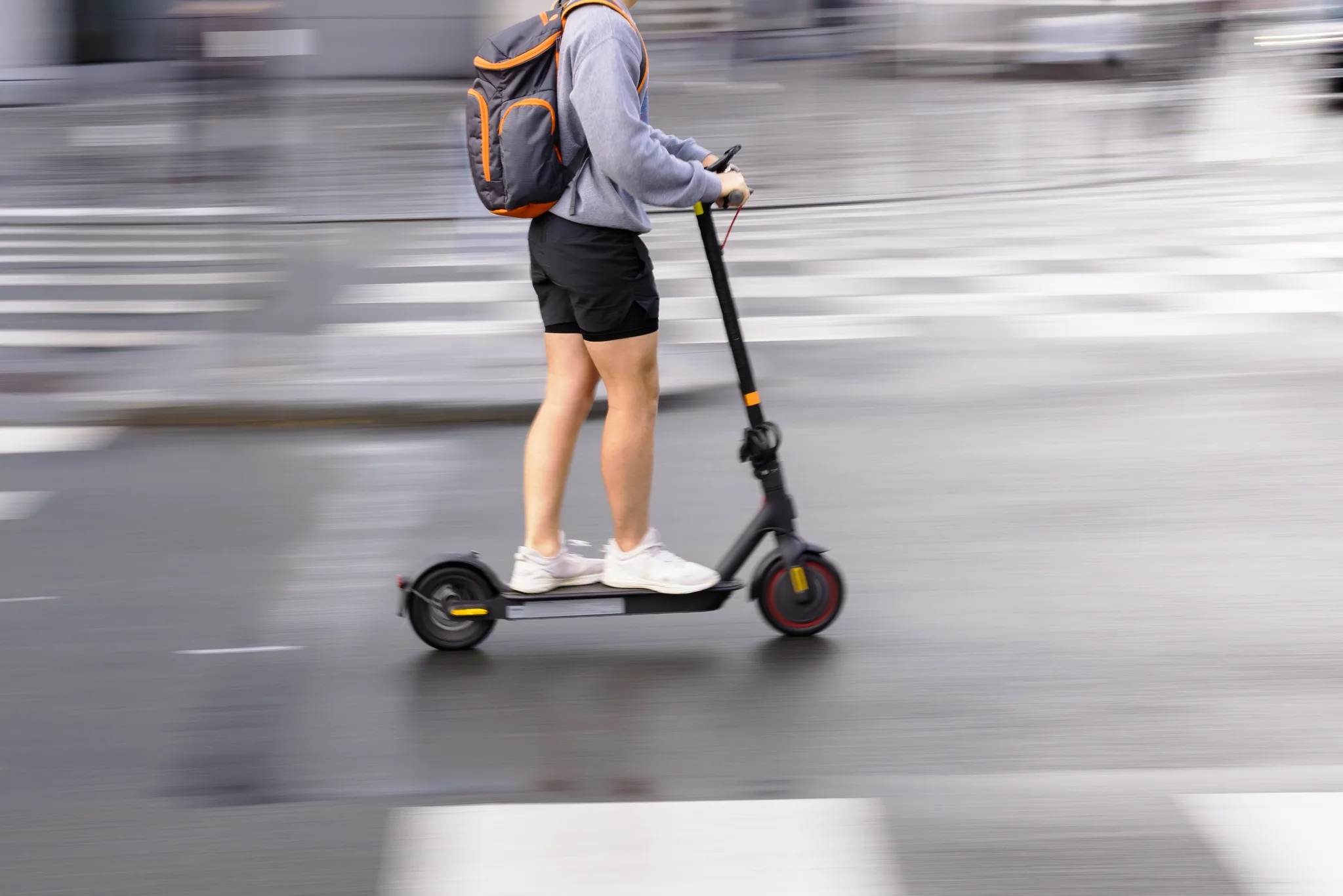
E-scooters are everywhere in California these days. You see them lined up on street corners in Los Angeles and scattered throughout Orange County neighborhoods. But here's something many riders don't think about: helmet laws can seriously impact your injury claim if you get hurt.
Let me break this down for you in simple terms.
California's E-Scooter Helmet Requirements
In California, the helmet law for e-scooters is pretty straightforward. If you're under 18, you must wear a helmet. No exceptions. Adults 18 and older can ride without one.
This might seem like a minor detail, but it becomes huge if you're in an accident. Insurance companies and opposing lawyers will dig into whether you followed the law. They use this information to reduce how much they pay you.
How Not Wearing a Helmet Affects Your Claim
Here's where things get tricky. California follows something called "comparative negligence." This means if you contributed to your injuries in any way, your compensation gets reduced.
Let's say you're 16 years old riding an e-scooter in downtown Los Angeles without a helmet. A car hits you, and you suffer head injuries. The driver was definitely at fault for the accident. But because you weren't wearing a helmet as required by law, the insurance company might argue you're partially responsible for your head injuries.
If your total damages are $100,000, and they determine you're 20% at fault for not wearing a helmet, you'd only receive $80,000. That $20,000 difference is significant.
Different Rules in Different Cities
While California state law only requires helmets for riders under 18, some cities have stricter rules. Always check local ordinances before riding.
In Los Angeles, the state law applies. But some Orange County cities might have additional requirements. Santa Monica, for example, has had various e-scooter regulations that change over time.
If you violate a local helmet ordinance, this could impact your claim even if you're over 18. Insurance companies love finding rule violations to reduce payouts. The complexity of overlapping regulations often confuses riders about their actual legal obligations.
Types of Injuries Affected by Helmet Use
Helmets primarily protect against head and brain injuries. If you're in an accident without a helmet, insurance companies will scrutinize any head-related injuries you claim.
They might argue that wearing a helmet would have prevented or reduced your traumatic brain injury, concussion, or skull fracture. However, they can't blame you for broken bones in your leg or arm – those injuries aren't related to helmet use.
This is why documenting everything is crucial. Medical records showing the extent and cause of each injury help establish what a helmet might or might not have prevented. Emergency room physicians often note the presence or absence of protective gear in their initial assessments, which becomes critical evidence later.
Interestingly, some studies suggest that helmet effectiveness varies significantly based on accident type and impact angle. Side-impact collisions, common in urban intersections, may result in different injury patterns than rear-end accidents on bike paths.
What Insurance Companies Look For
Insurance adjusters investigate accidents thoroughly. They'll look at police reports, witness statements, and photos from the scene. They specifically search for evidence about helmet use.
If you were required to wear a helmet and didn't, they'll use this against you. They might bring in accident reconstruction experts to argue how much a helmet would have helped.
Don't be surprised if they request your social media accounts too. That Instagram photo of you riding without a helmet last month could hurt your case. Modern adjusters are increasingly sophisticated in their digital investigations, often employing specialized software to analyze social media activity patterns.
Building a Strong Case Despite Helmet Issues
Not wearing a required helmet doesn't automatically destroy your claim. You can still recover substantial compensation, especially if the other party was clearly at fault.
The key is focusing on the primary cause of the accident. If a driver ran a red light and hit you, that's the main issue. Your helmet violation is secondary.
Strong evidence helps your case tremendously. Witness statements, traffic camera footage, and police reports showing the other party's fault matter more than helmet compliance.
Medical evidence also plays a crucial role. If doctors can show your injuries would have occurred regardless of helmet use, this weakens the insurance company's argument. Biomechanical experts can sometimes demonstrate that certain types of injuries result from forces that helmets simply cannot mitigate.
Practical Tips for E-Scooter Riders
The best protection is prevention. Always wear a helmet, regardless of your age. It protects your head and strengthens any future injury claim.
In busy areas like Hollywood or Newport Beach, helmet use is especially smart. Traffic is heavier, and accidents are more likely.
If you're in an accident, don't admit fault or discuss helmet use with insurance companies. Stick to the basic facts about what happened.
Take photos of the scene, your injuries, and your helmet if you were wearing one. This documentation proves compliance with the law. Modern smartphones can capture high-resolution images that preserve critical details about road conditions, vehicle positions, and equipment damage.
Consider investing in quality protective gear beyond just helmets. Knee pads, elbow guards, and reflective clothing can prevent additional injuries and demonstrate your commitment to safe riding practices.
Working With Legal Professionals
E-scooter injury claims involving helmet laws can get complicated quickly. Insurance companies have teams of lawyers working to minimize payouts.
Having experienced legal representation levels the playing field. A good lawyer knows how to counter arguments about helmet use and focus on the real cause of your accident.
They can also gather evidence you might miss. Traffic camera footage, expert witnesses, and detailed medical analysis all strengthen your position. If you're unsure about your legal options, consider getting a second opinion from another attorney to ensure you're receiving the best possible representation.
Many personal injury attorneys work on contingency fees, meaning you don't pay unless they win your case. This arrangement allows injured riders to access quality legal help regardless of their financial situation immediately following an accident.
Insurance Company Tactics and Delays
Insurance companies often employ delay tactics, especially when helmet compliance issues are involved. They might drag out investigations, request unnecessary medical examinations, or repeatedly ask for the same documentation.
These delays serve their purpose perfectly. The longer they wait, the more financial pressure you feel to accept a lower settlement. Medical bills pile up, lost wages create stress, and the urgency to resolve your case increases dramatically.
Understanding these tactics helps you prepare mentally for a potentially lengthy process. Having proper legal representation becomes even more critical when dealing with uncooperative insurance companies who exploit helmet law technicalities.
The Bottom Line
Helmet laws definitely affect e-scooter injury claims in California. Not wearing a required helmet can reduce your compensation through comparative negligence rules.
However, helmet violations don't eliminate your right to compensation. If someone else caused your accident, you can still recover significant damages.
The smartest approach is wearing a helmet every time you ride. It protects your head and your legal rights. But if you're already injured, don't let helmet concerns stop you from pursuing fair compensation for your injuries.
Remember that every case is unique, and the specific circumstances of your accident matter more than general rules. What matters most is getting proper medical treatment first, then protecting your legal rights with experienced professional guidance.

Talk to a UCLA-trained attorney directly.