
How Fault Is Determined in E-Scooter Accidents
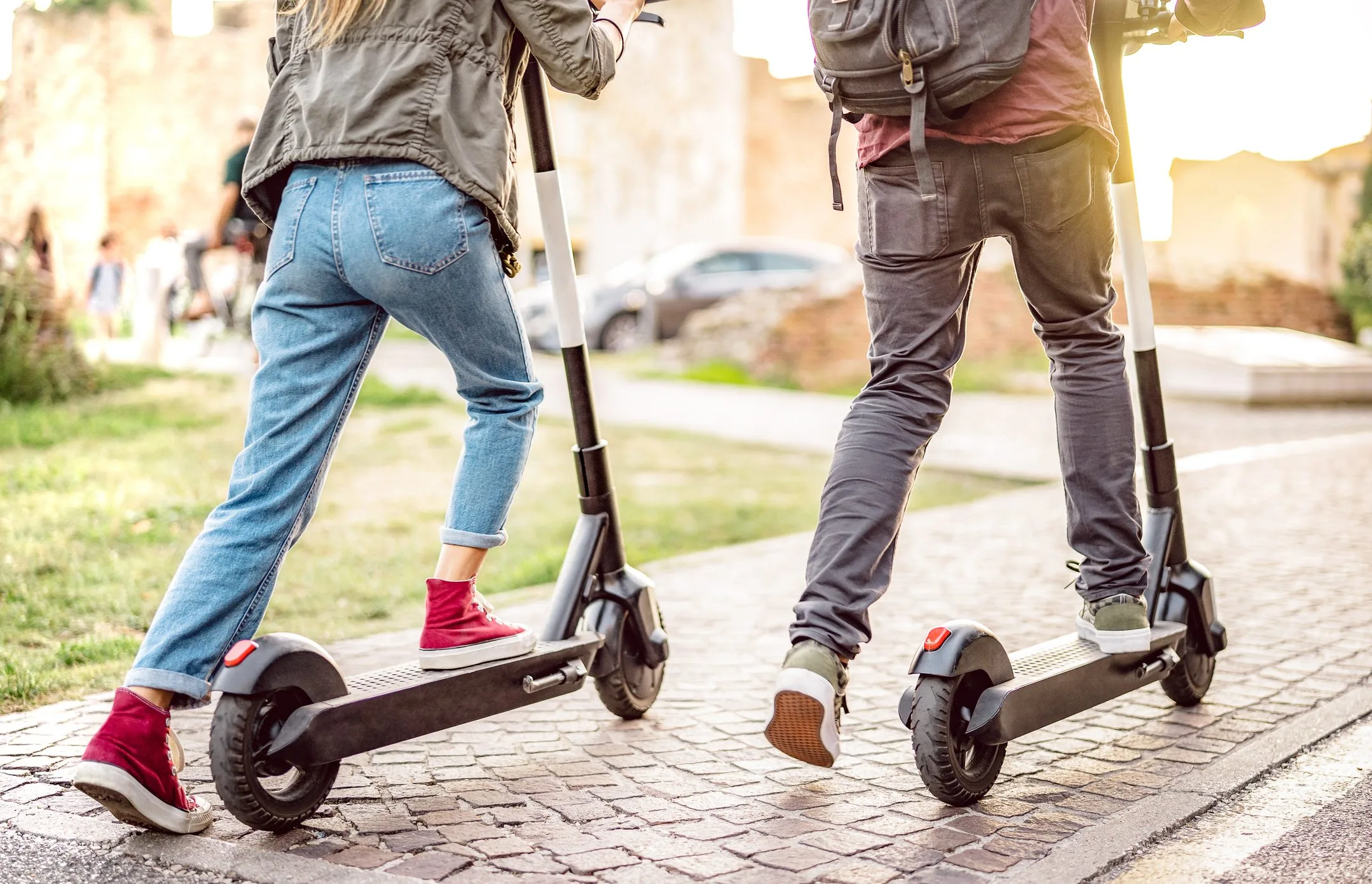
E-scooter accidents are becoming more common on the streets of Los Angeles and Orange County. When these accidents happen, figuring out who's at fault can get complicated fast.
Let me break down how fault works in these cases. It's not always as straightforward as you might think.
The Basics of Fault in E-Scooter Accidents
Fault in e-scooter accidents works similarly to car accidents. Someone has to be responsible for what happened. But here's the thing - sometimes multiple people share the blame.
California follows what's called "comparative fault" rules. This means if you're partially responsible for your accident, you can still recover damages. Your compensation just gets reduced by your percentage of fault.
For example, if you were riding without a helmet and got hit by a car, you might be 10% at fault while the driver is 90% at fault. You'd still get compensation, just 10% less than the full amount.
Common Fault Scenarios
Let's look at who might be at fault in different situations:
Driver at Fault
Drivers cause many e-scooter accidents. They might be:
- Texting while driving
- Not checking blind spots
- Running red lights or stop signs
- Opening car doors without looking
- Making illegal turns
In Los Angeles traffic, distracted driving is a huge problem. When a driver hits an e-scooter rider because they were on their phone, that driver is typically 100% at fault.
E-Scooter Rider at Fault
Sometimes the rider causes the accident by:
- Riding in traffic illegally
- Going the wrong way down a street
- Riding on sidewalks where it's prohibited
- Ignoring traffic signals
- Riding under the influence
Orange County has specific rules about where you can ride e-scooters. Breaking these rules can make you partially or fully responsible for an accident.
E-Scooter Company at Fault
The company that owns the e-scooter might be responsible if:
- The brakes failed due to poor maintenance
- The battery exploded
- The steering mechanism broke
- They placed scooters in dangerous locations
Similar to defective e-bike cases, equipment failures can create significant liability for manufacturers and rental companies when mechanical defects directly cause accidents.
City or Property Owner at Fault
Sometimes the fault lies with:
- Poorly maintained roads with dangerous potholes
- Missing or broken traffic signals
- Inadequate lighting
- Dangerous construction zones without proper signage
Evidence That Determines Fault
Investigators look at several types of evidence to figure out what happened:
Physical Evidence
This includes damage to the e-scooter, cars involved, and any debris at the scene. Skid marks can show if someone tried to brake. The location of the impact tells investigators a lot about how the accident happened.
Photos and Videos
Pictures from the scene are incredibly valuable. Many intersections in Los Angeles and Orange County have traffic cameras. Security cameras from nearby businesses can also capture what happened.
If you're in an e-scooter accident, take photos of everything - your injuries, the vehicles involved, the road conditions, and traffic signs. Just like with other personal injury cases, proper evidence collection can make or break your claim, whether it involves an e-scooter or similar micromobility device.
Witness Statements
People who saw the accident can provide crucial information. Their statements help piece together what happened, especially when the stories from those involved don't match up.
Getting contact information from witnesses immediately after an accident is critical. People move on quickly, and tracking them down later becomes nearly impossible in busy areas like downtown Los Angeles or Anaheim.
Police Reports
When police respond to an accident, they create a report. This report includes their initial assessment of what happened and who might be at fault. While not the final word, it carries significant weight with insurance companies.
Sometimes officers don't fully understand e-scooter laws, which can affect their initial fault assessment. This is where having proper legal representation becomes valuable for challenging incorrect preliminary determinations.
Expert Analysis
Sometimes experts need to reconstruct the accident. They look at factors like:
- Speed of vehicles involved
- Weather conditions
- Road surface conditions
- Visibility issues
- Mechanical problems with the e-scooter
Accident reconstruction specialists use advanced technology to analyze crash dynamics. They can determine speeds, impact angles, and reaction times with remarkable accuracy using physics and mathematical modeling.
Special Considerations in California
California has specific laws that affect fault determination in e-scooter accidents.
E-scooters must follow the same traffic rules as bicycles in most cases. They can't exceed 15 mph and riders must be at least 16 years old. Breaking these rules can affect fault determination.
In Los Angeles, e-scooter riders must wear helmets if they're under 18. In Orange County, helmet requirements vary by city. Not wearing a required helmet might increase your percentage of fault, but it won't prevent you from recovering damages entirely.
California's "pure comparative negligence" system is more favorable to injured parties than many other states. Even if you're 90% at fault, you can still recover 10% of your damages, though this rarely makes financial sense after legal costs.
Multiple Party Liability
Many e-scooter accidents involve multiple parties sharing fault. Consider this scenario:
You're riding an e-scooter in Santa Monica when a car door opens in front of you. You swerve to avoid it and get hit by another car. The person who opened the door might be 50% at fault, the driver who hit you might be 30% at fault, and you might be 20% at fault for not maintaining proper distance.
This is where things get complex. Each party's insurance company will try to minimize their client's responsibility while maximizing others' fault.
Multi-party accidents create complicated settlement negotiations. Insurance companies often engage in lengthy disputes about liability percentages, which can significantly delay resolution of your claim and recovery of compensation.
The Role of Insurance Companies
Insurance adjusters are trained investigators who work for the insurance company, not for you. They'll examine every detail to minimize their company's payout, including reviewing your social media accounts and medical history.
Many riders don't realize that giving recorded statements to insurance companies can hurt their case later. What seems like helpful cooperation often becomes ammunition to dispute your claim or reduce your compensation.
When Legal Help Becomes Essential
Complex fault scenarios require experienced legal guidance. If multiple parties are involved, if there are serious injuries, or if insurance companies are disputing liability, you need professional help.
The statute of limitations in California gives you two years to file a personal injury lawsuit, but evidence disappears quickly. Security footage gets deleted, witnesses forget details, and physical evidence at accident scenes gets cleaned up within days.
Sometimes your initial attorney assessment might not feel right for your specific case. Don't hesitate to explore your options - getting a second legal opinion can provide valuable perspective on your case's strengths and potential outcomes.
What This Means for You
If you're involved in an e-scooter accident, fault determination affects your compensation. Even if you're partially at fault, you can still recover damages under California's comparative fault system.
Insurance companies will investigate thoroughly. They'll examine all evidence and may hire their own experts. Their goal is to pay as little as possible, which means they'll look for ways to increase your percentage of fault.
The key is gathering evidence immediately after your accident. Take photos, get witness contact information, and seek medical attention even if you feel fine. Some injuries don't show symptoms right away.
Understanding how fault works in e-scooter accidents helps you make informed decisions about your case. The process can be complex, especially when multiple parties are involved, but knowing what to expect makes it easier to navigate.
Remember that fault determination isn't always obvious at first glance. What appears to be a simple accident can involve multiple contributing factors, from equipment defects to road hazards to driver negligence. Thorough investigation often reveals liability that wasn't immediately apparent.

Talk to a UCLA-trained attorney directly.