
E-Scooter Accidents on Sidewalks and Bike Lanes
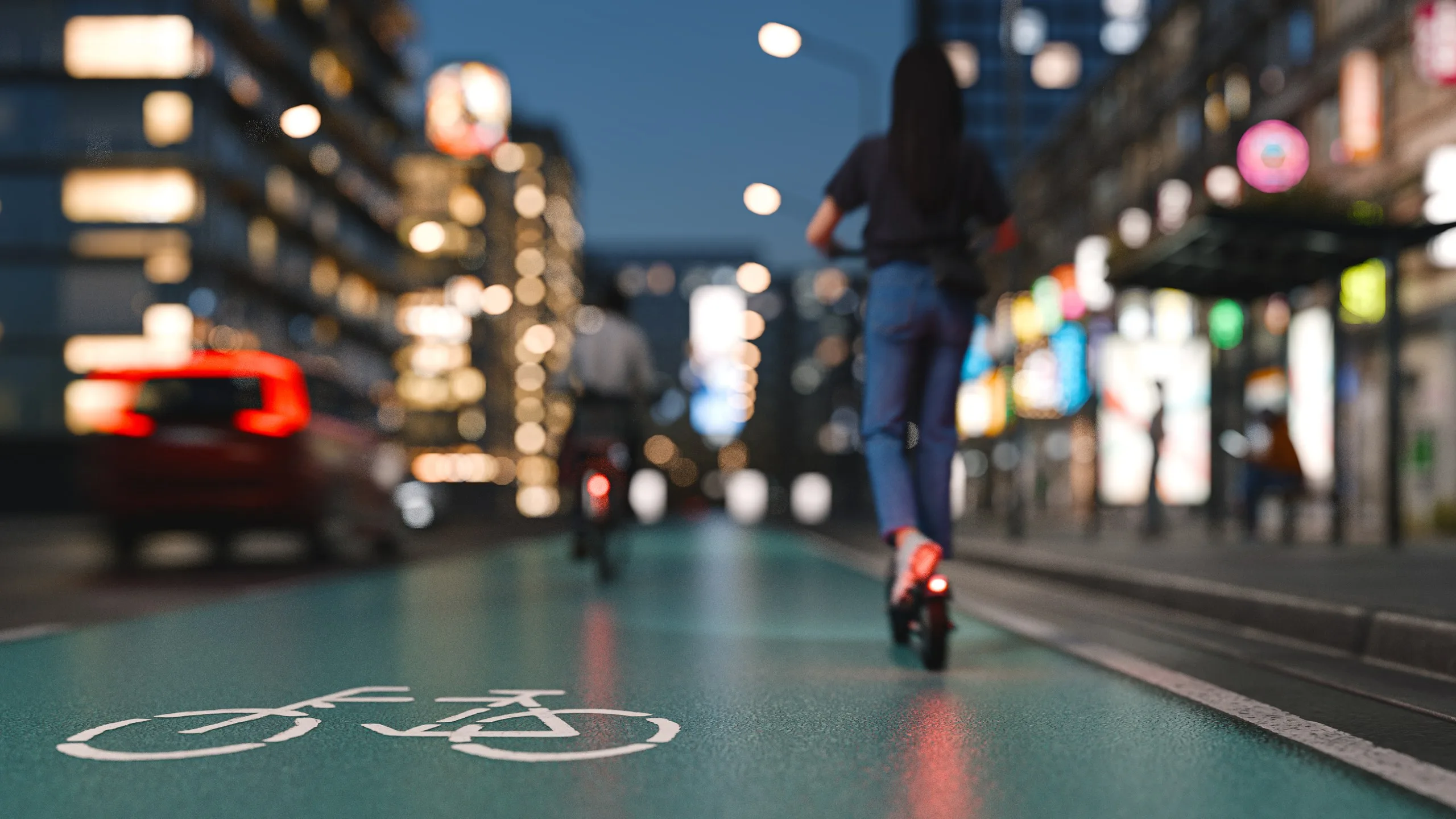
E-scooters are everywhere these days. You see them lined up on street corners in downtown LA or scattered across Orange County sidewalks. They're convenient, sure, but they're also causing more accidents than ever before.
Let's talk about what's really happening out there. And more importantly, what you can do to stay safe.
Where E-Scooter Accidents Happen Most
Most e-scooter accidents don't happen where you'd expect. They're not occurring on busy streets with cars. Instead, they're happening on sidewalks and bike lanes - spaces that were never designed for the complex mix of users we see today.
Think about it. A rider zooms down a crowded Santa Monica sidewalk at 15 mph. Pedestrians are walking their normal pace. Someone steps out of a coffee shop without looking. Boom - accident.
In Orange County, bike lanes present different challenges altogether. These lanes weren't designed for the mix of bicycles, e-scooters, and sometimes pedestrians all sharing the same narrow space. The infrastructure simply can't handle the volume and variety of users it's now accommodating daily.
Common Types of E-Scooter Accidents
The most frequent accidents involve collisions with pedestrians. Picture this: You're walking down Melrose Avenue checking your phone. An e-scooter rider comes up behind you silently. You change direction slightly and - crash.
Another common scenario happens in bike lanes. A cyclist and e-scooter rider are both using the same lane in Irvine. The e-scooter suddenly stops or swerves. The cyclist can't brake in time.
Then there are the falls. E-scooter wheels are small - typically only 8-10 inches in diameter. Hit a crack in the sidewalk or a small pothole, and riders go flying. This happens constantly along the older sidewalks throughout Los Angeles, where decades-old concrete creates hazardous conditions for small-wheeled vehicles.
Door-related accidents represent another growing category. Parked car doors opening unexpectedly into bike lanes catch e-scooter riders off guard, often causing serious injuries when riders have no time to brake or swerve safely.
Why These Accidents Keep Happening
Several factors make sidewalk and bike lane accidents more likely. First, e-scooters are nearly silent. Pedestrians don't hear them coming like they would a motorcycle or car.
Speed differences create problems too. Pedestrians walk at maybe 3 mph. E-scooters can hit 15-20 mph. That's a huge gap in a shared space.
Many riders also don't understand the rules. In California, e-scooters aren't supposed to be on sidewalks in most areas. But enforcement is inconsistent. Riders often choose sidewalks because they feel safer there than on streets.
Infrastructure plays a role too. Los Angeles and Orange County have been scrambling to create proper bike lanes and scooter-friendly paths. But the rollout is uneven. Some areas have great infrastructure. Others have nothing.
Weather conditions add another layer of complexity during LA's occasional rainy seasons. Wet surfaces make braking distances longer and increase the likelihood of skidding, while reduced visibility compounds the existing challenges of sharing narrow spaces between different types of users.
The Injury Reality
E-scooter accidents cause real injuries. Head injuries are common because most riders don't wear helmets. Broken bones happen when people fall at higher speeds.
Pedestrians hit by e-scooters often suffer cuts, bruises, and sometimes more serious injuries depending on the impact. Elderly pedestrians face higher risks of severe injury from falls caused by collisions.
Emergency rooms in LA and Orange County report seeing more e-scooter-related injuries each year. It's becoming a significant public health concern. UCLA Medical Center alone reported a 200% increase in e-scooter-related emergency visits between 2018 and 2023.
Facial injuries occur frequently when riders fall forward over handlebars. Road rash affects riders who slide across pavement after losing control. Wrist and arm fractures happen when people try to break their falls instinctively.
Legal Considerations
When accidents happen, determining fault can be complex. Was the e-scooter rider following traffic laws? Was the pedestrian paying attention? Were both parties sharing the space appropriately?
California law requires e-scooter riders to follow vehicle code rules. This means staying off sidewalks in most areas and yielding to pedestrians. Breaking these rules can affect liability in an accident.
Insurance coverage varies widely. Some e-scooter companies carry liability insurance. But coverage limits and claim processes differ between companies. Personal insurance policies may or may not cover e-scooter accidents.
If you're dealing with a complex accident case, you might want to consider getting a second opinion from another attorney to ensure you're receiving the best possible legal advice. Different lawyers may have varying levels of experience with emerging transportation technologies and their associated liability issues.
Comparative negligence laws in California mean that fault can be divided between multiple parties. Even if a pedestrian was partially at fault, they might still recover damages proportional to the other party's responsibility for the accident.
Safety Tips for Everyone
If you ride e-scooters, wear a helmet. Always. Check local laws about where you can ride. In most LA and Orange County areas, stick to bike lanes or streets, not sidewalks.
Slow down around pedestrians. Ring a bell or call out "passing on your left" when approaching people. Give yourself plenty of stopping distance.
For pedestrians, stay alert. Look up from your phone periodically. Listen for approaching vehicles, including quiet e-scooters. Don't assume bike lanes are safe walking spaces.
Check behind you before changing direction on sidewalks or crossing bike lanes. What seems like an empty path might have a silent e-scooter approaching.
Riders should perform quick safety checks before each trip. Test brakes, ensure the steering mechanism works smoothly, and verify that the scooter's battery level won't leave you stranded in an unsafe location.
What's Being Done
Los Angeles has been working to improve bike lane networks and create clearer rules for e-scooter use. Some areas now have dedicated micro-mobility lanes.
Orange County cities are taking different approaches. Some have banned e-scooters entirely. Others are creating pilot programs to test better integration.
E-scooter companies are also making changes. Better rider education, improved braking systems, and clearer parking requirements are all in development.
Several municipalities are experimenting with painted buffer zones between bike lanes and parking areas. These create additional space for e-scooter riders to maneuver safely when car doors open unexpectedly.
Technology improvements include better lighting systems, louder warning bells, and GPS-based speed limiting in high-pedestrian areas. Some companies now offer mandatory safety tutorials through their mobile apps before allowing first-time users to unlock scooters.
If You're in an Accident
First, get medical attention if anyone is injured. Call 911 if injuries seem serious.
Take photos of the scene, including any damage and the exact location. Get contact information from everyone involved.
Report the accident to the e-scooter company if one of their devices was involved. Document everything about how the accident happened while it's fresh in your memory.
Contact witnesses immediately while they're still at the scene. Their accounts could prove crucial later if legal disputes arise about exactly what happened during those critical moments before impact.
Similar to e-bike accidents involving road hazards, e-scooter accidents often involve infrastructure problems that multiple parties might share responsibility for addressing. Don't assume the accident was entirely your fault or entirely someone else's fault until you've had time to investigate thoroughly.
The e-scooter trend isn't going away. But with better awareness and safety practices, we can make sidewalks and bike lanes safer for everyone. Stay alert out there.

Talk to a UCLA-trained attorney directly.