
E-Scooter Accidents Caused by Road Hazards
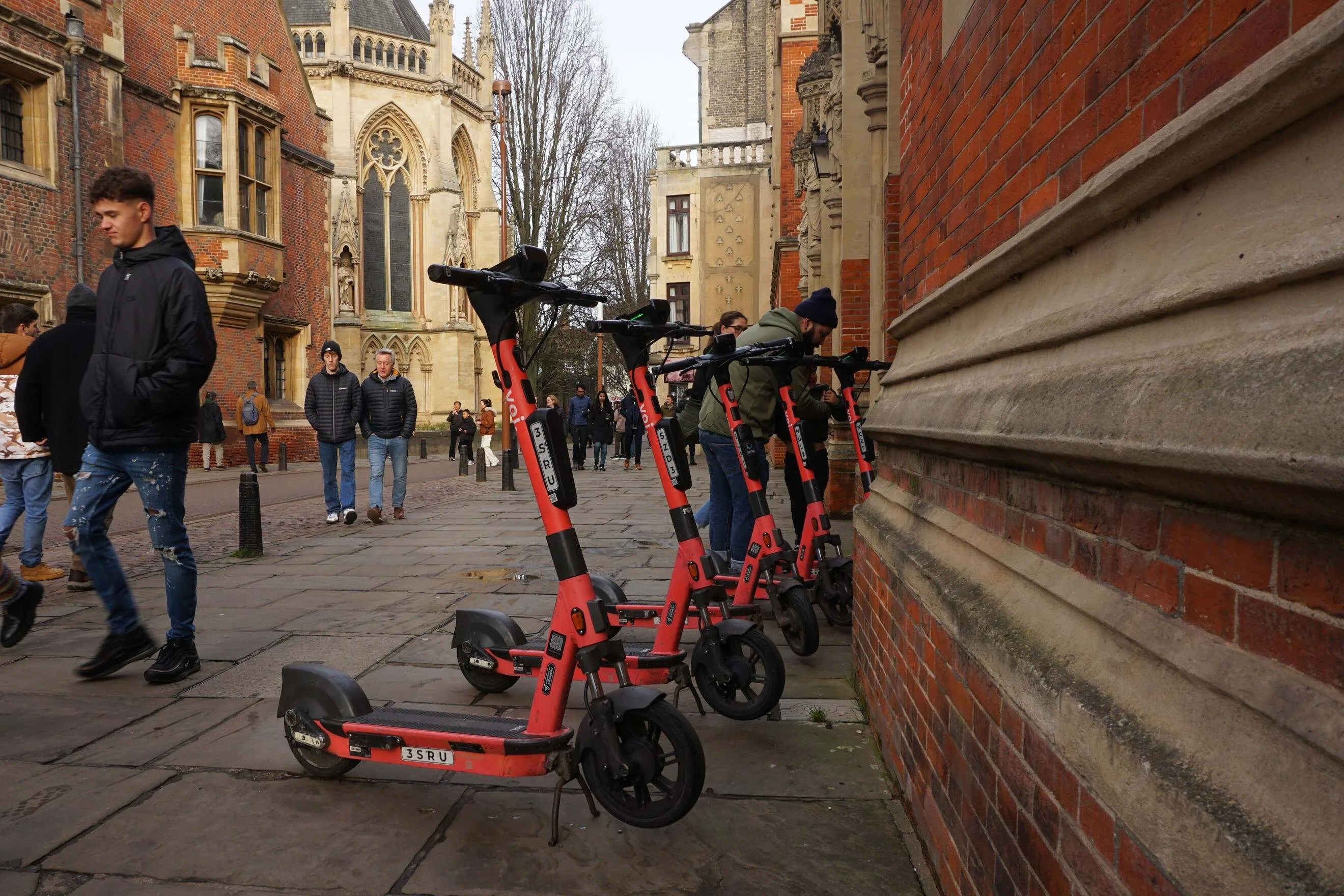
E-scooters have become a popular way to get around Los Angeles and Orange County. They're convenient, fun, and help you avoid traffic. But there's a serious problem many riders don't think about until it's too late: road hazards.
Road hazards cause thousands of e-scooter accidents every year. Unlike cars, e-scooters offer zero protection when you hit a pothole or debris. One small obstacle can send you flying. The lightweight design that makes these vehicles so convenient also makes them incredibly vulnerable to even minor road imperfections.
The Most Dangerous Road Hazards for E-Scooter Riders
Not all road hazards are created equal. Some pose bigger risks than others for e-scooter riders.
Potholes are the biggest threat. Those small wheels on e-scooters can't handle what cars easily roll over. A pothole that barely bothers a car can launch you off your scooter. Downtown LA has plenty of these hazards, especially on older streets. The city's aging infrastructure, combined with heavy traffic and weather conditions, creates a perfect storm for pothole formation that can spell disaster for unsuspecting riders.
Construction debris creates serious problems. Loose gravel, nails, and chunks of concrete are common around construction sites. Orange County's ongoing development means construction zones everywhere. These areas are especially dangerous for e-scooter riders. Workers may not realize how even small pieces of debris can become major hazards for two-wheeled vehicles.
Poor street maintenance makes everything worse. Cracked pavement, uneven surfaces, and broken curbs create constant hazards. Many bike lanes in LA haven't been properly maintained in years. Budget constraints often mean non-critical road repairs get delayed indefinitely. What seems like a minor crack to city planners can become a major obstacle for e-scooter wheels.
Storm drains and utility covers pose hidden dangers. When these aren't flush with the road surface, they create gaps or raised edges. Your scooter's small wheels can get caught easily. During installation or maintenance, these covers sometimes settle unevenly. The result is unexpected bumps or gaps that can catch riders completely off guard.
Why E-Scooters Are More Vulnerable Than Other Vehicles
E-scooters face unique challenges that make road hazards more dangerous.
First, those tiny wheels. Most e-scooters have wheels between 8-10 inches. Compare that to a bicycle's 26-inch wheels or a car's 16-inch wheels. Smaller wheels mean less ability to roll over obstacles. The physics are simple: smaller contact patch equals greater impact from road irregularities.
Second, you're standing up. This higher center of gravity makes you less stable. When you hit something unexpected, it's harder to maintain balance. Your body weight is distributed differently than when seated, making recovery from sudden impacts much more challenging.
Third, most people don't wear protective gear on e-scooters. You might wear a helmet on a motorcycle, but many scooter riders don't even think about safety equipment. The casual nature of e-scooter use often leads people to underestimate the risks involved.
Weather Conditions That Make Road Hazards Worse
Southern California's generally pleasant weather can be deceiving. Rain creates particularly hazardous conditions. Wet pavement makes existing road hazards even more dangerous by reducing traction. Oil and debris that normally wouldn't affect you suddenly become slip hazards.
Even morning dew can create problems. That slight moisture on painted lane markers or metal surfaces becomes slippery. Construction areas with dust and loose materials become especially treacherous when wet, creating a muddy mess that can cause wheels to slide unpredictably.
Common Injuries From Road Hazard Accidents
When e-scooter riders hit road hazards, the injuries can be severe.
Head injuries are the most serious concern. When you're thrown from a scooter, you often land head-first. Even seemingly minor falls can cause concussions or worse. The sudden stop when hitting a hazard often catapults riders forward, leading to devastating head trauma that can have lifelong consequences.
Broken bones happen frequently. Wrists, arms, and collarbones take the brunt of impact when people try to break their fall. Hip and leg fractures occur when riders land awkwardly. The natural reflex to extend arms during a fall often results in complex fractures that require surgery and extensive rehabilitation.
Road rash and cuts are almost inevitable. Sliding across pavement tears up skin quickly. These injuries might seem minor, but they can lead to permanent scarring and infection. The rough texture of asphalt acts like sandpaper against exposed skin, sometimes requiring skin grafts for proper healing.
Who's Responsible When Road Hazards Cause Accidents?
Determining responsibility for road hazard accidents isn't always straightforward.
Cities have a duty to maintain their roads. Los Angeles and Orange County are responsible for keeping public streets in reasonably safe condition. When they fail to fix known hazards or properly maintain roads, they may be liable for resulting accidents. However, proving municipal negligence requires demonstrating they knew about the hazard and failed to address it within a reasonable timeframe.
Property owners must maintain adjacent areas. Private property owners are often responsible for sidewalks and areas immediately next to their property. If poor maintenance on their section causes an accident, they could be held responsible. This responsibility extends to ensuring that landscaping, construction, or other activities don't create hazards in public areas.
Construction companies must secure their sites. When construction debris spills into roadways or bike lanes, the responsible company should be held accountable for any accidents it causes. Proper site management includes regular cleanup and ensuring materials don't migrate into traffic areas.
Protecting Yourself From Road Hazard Accidents
Prevention is always better than dealing with injuries after an accident.
Stay alert and scan ahead. Don't just look at your phone or enjoy the scenery. Keep your eyes on the road surface in front of you. Look for potholes, debris, and other hazards. Develop a scanning pattern that lets you identify problems early enough to react safely.
Slow down in problem areas. Construction zones, older neighborhoods, and areas with heavy traffic tend to have more road hazards. Reduce your speed in these areas to give yourself more reaction time. Speed limits are designed for cars, not the unique characteristics of e-scooters.
Use bike lanes when available, but stay cautious. Many cities have improved their bike lane infrastructure, but these lanes aren't always perfectly maintained either. Similar to e-bike safety considerations, road hazard awareness applies to all alternative transportation methods.
Wear appropriate safety gear. A helmet is essential. Consider knee and elbow pads for longer rides or in areas with more hazards. Bright clothing increases your visibility to other road users who might otherwise not notice potential hazards you're trying to avoid.
What to Do After a Road Hazard Accident
If you're injured in an e-scooter accident caused by a road hazard, take these steps:
Get medical attention immediately. Even if you feel okay, some injuries don't show symptoms right away. Head injuries are especially deceptive. Adrenaline can mask pain and other symptoms that become apparent hours or days later.
Document everything. Take photos of the hazard that caused your accident, your injuries, and any property damage. Get contact information from witnesses. Measure the dimensions of potholes or other hazards if possible, as this information becomes crucial evidence.
Report the hazard. Notify the appropriate city or county department about the dangerous condition. This creates an official record. Many cities have online reporting systems that make this process easier and create timestamped documentation.
Keep detailed records. Save all medical bills, receipts, and documentation related to your accident and recovery. Include documentation of lost work time, transportation costs for medical appointments, and other accident-related expenses.
When to Consider Legal Help
Not every accident requires legal assistance, but certain situations warrant professional guidance. If your injuries are significant, if there's dispute about responsibility, or if insurance companies aren't cooperating, consulting with an experienced attorney can protect your interests.
Municipal liability cases involve complex procedures and strict deadlines. Missing important filing deadlines can permanently bar your claim. Professional legal guidance ensures you understand your rights and don't inadvertently compromise your case.
Moving Forward After an E-Scooter Accident
Road hazard accidents can result in serious injuries and significant expenses. Medical bills, lost wages, and other costs add up quickly. Understanding your rights and options helps ensure you receive appropriate compensation for your injuries.
The key is acting quickly and preserving evidence. Road hazards that cause accidents should be documented before they're repaired or conditions change. Taking prompt action protects both your health and your legal rights, giving you the best chance for full recovery and fair compensation.

Talk to a UCLA-trained attorney directly.