
E-Scooter Accidents Involving Pedestrians in Urban Areas
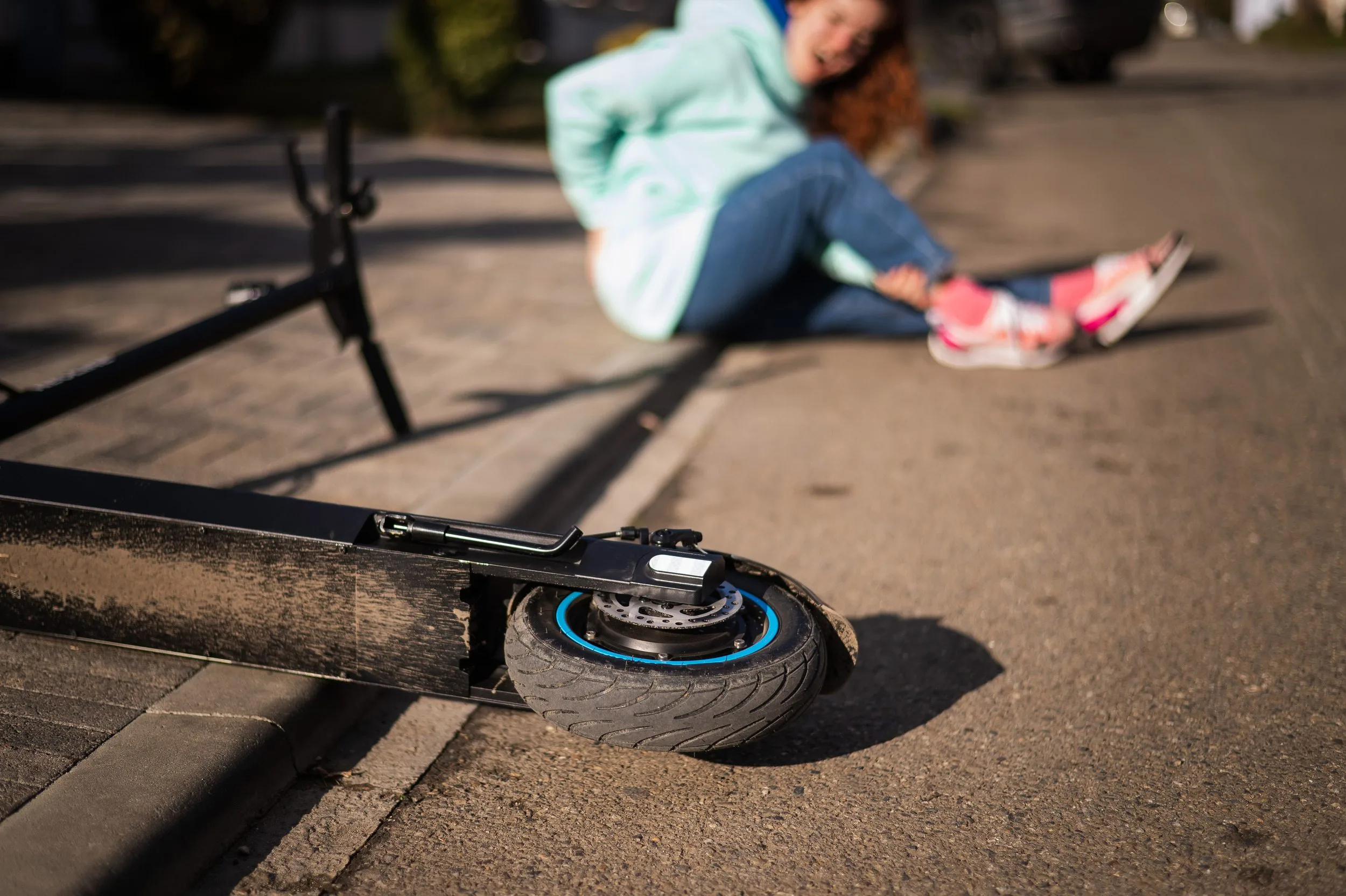
E-scooters have transformed how people get around cities like Los Angeles and Orange County. You see them everywhere now. But with this convenience comes a growing concern: accidents between e-scooters and pedestrians.
These incidents are happening more frequently as cities struggle to adapt their infrastructure and regulations to this new form of transportation. The rapid proliferation of e-scooters has outpaced safety measures in many urban areas.
The Growing Problem in Urban Areas
Los Angeles has seen a significant increase in e-scooter related injuries since these devices became popular. Orange County cities are experiencing similar trends. The problem isn't just the number of scooters - it's how they interact with pedestrian spaces.
Emergency rooms report more pedestrians coming in with injuries from e-scooter collisions. These aren't always dramatic crashes. Sometimes it's a rider clipping someone while weaving through a crowd. Other times it's more serious collisions at intersections where visibility is compromised by parked cars, construction barriers, or simply the chaotic nature of urban traffic patterns.
Data from local hospitals shows a 40% increase in e-scooter related pedestrian injuries over the past two years. Most incidents occur during peak hours when sidewalks are crowded.
Common Causes of E-Scooter and Pedestrian Accidents
Several factors contribute to these accidents in urban environments:
Sidewalk Riding: Many cities prohibit e-scooter use on sidewalks, but enforcement varies. When riders use sidewalks, they create dangerous situations for pedestrians who don't expect fast-moving vehicles in their space. Some riders justify this behavior by claiming streets feel too dangerous, creating a conflict between safety perceptions.
Distracted Operation: E-scooter riders often use phones while riding. They might be checking directions or responding to texts. This divided attention leads to accidents when pedestrians step into their path unexpectedly from doorways or around corners.
Speed Mismatches: E-scooters can reach 15-20 mph. That's much faster than walking speed. When these different speeds mix in crowded areas, accidents become more likely, especially when riders fail to adjust their speed appropriately for conditions.
Poor Infrastructure: Many Los Angeles and Orange County streets weren't designed for e-scooters. Narrow bike lanes and unclear riding areas force scooters closer to pedestrian spaces. Construction zones and temporary barriers further complicate navigation for both riders and pedestrians.
Inexperienced Riders: Not everyone who hops on an e-scooter knows how to ride safely. First-time users might panic when encountering pedestrians, leading to sudden movements or loss of control. Tourist areas see particularly high rates of inexperienced rider incidents.
High-Risk Areas and Situations
Certain locations see more e-scooter and pedestrian accidents:
Busy intersections create confusion about who has right-of-way. Tourist areas in places like Santa Monica or Huntington Beach see many accidents because of heavy foot traffic mixed with rental scooter users. Beach communities report especially high incident rates during summer months when visitor traffic peaks.
Transit stops are particularly dangerous. People exit buses or trains and step into areas where e-scooters might be passing. The transition zones between different types of infrastructure cause problems too. School zones present unique challenges during drop-off and pick-up times when children and parents may not be watching for e-scooters.
Evening hours bring additional risks. Reduced visibility makes it harder for both pedestrians and e-scooter riders to see each other coming. Weekend nights see higher accident rates, particularly in entertainment districts.
Types of Injuries from These Accidents
Pedestrian injuries from e-scooter accidents vary widely. Minor incidents might result in bruises or scrapes. More serious collisions can cause fractures, especially to legs and arms as people try to break their fall.
Head injuries represent a particular concern. When a pedestrian falls after being struck by an e-scooter, they might hit their head on pavement or other objects. These injuries can have lasting effects and may not show immediate symptoms.
Elderly pedestrians face higher risks of serious injury. Their bones may be more fragile, and they might have slower reaction times to avoid collisions. Hip fractures from falls are unfortunately common in this age group.
Soft tissue injuries like sprains and strains also occur frequently. These might seem minor initially but can require extensive physical therapy and time off work.
Prevention Strategies
Cities are working on solutions, but individual awareness helps prevent accidents:
For Pedestrians: Stay alert in areas where e-scooters operate. Look both ways before stepping into bike lanes or crossing areas. Be extra cautious around corners where visibility is limited, especially when wearing headphones or looking at your phone.
For E-Scooter Riders: Slow down in crowded areas. Ring bells or use voice warnings when approaching pedestrians. Avoid riding on sidewalks even if you see others doing it. Maintain your scooter properly and check brakes before riding.
Infrastructure Improvements: Some Orange County cities are creating dedicated e-scooter lanes. Los Angeles has implemented parking requirements to keep sidewalks clear. Protected bike lanes help separate e-scooters from both cars and pedestrians.
What Happens After an Accident
If you're involved in an e-scooter and pedestrian accident, certain steps are important:
Seek medical attention first, even for seemingly minor injuries. Some injuries don't show symptoms immediately. Document the scene if you're able - take photos and get contact information from witnesses. Note weather conditions, lighting, and any obstacles that might have contributed to the accident.
Report the incident to local authorities. Many cities track these accidents to improve safety measures. If the e-scooter was a rental, contact the company to report what happened. They may have insurance coverage that applies to the situation.
Keep records of medical treatment and any work you miss due to injuries. These documents become important if you need to pursue compensation later. Consider getting a second opinion from a legal professional who specializes in these types of cases.
Insurance considerations can be complex in e-scooter accidents. Your health insurance may cover immediate medical costs, but determining liability for ongoing expenses requires careful investigation.
Legal Considerations and Liability
Determining fault in e-scooter and pedestrian accidents can be complicated. Multiple parties might bear responsibility: the rider, the e-scooter company, the city, or even property owners if poor maintenance contributed to the accident.
E-scooter companies often have liability insurance, but coverage limits and exclusions vary. Some policies don't cover sidewalk riding if it violates local laws. Understanding these nuances is crucial for anyone injured in such an incident.
Documentation becomes critical in legal proceedings. Witness statements, police reports, and medical records all play important roles. Protecting your legal rights often requires prompt action, as evidence can disappear quickly in busy urban environments.
The Role of Technology and Regulation
Some e-scooter companies are implementing speed restrictions in high-pedestrian areas. GPS technology can automatically slow scooters near schools or busy sidewalks. Geofencing creates virtual boundaries that prevent scooters from operating in certain areas entirely.
Cities are also updating their regulations. Some require safety training before first use. Others are creating clearer rules about where scooters can and cannot operate. Helmet requirements vary by jurisdiction and age group.
But technology and rules only work if people follow them. Education remains crucial for both riders and pedestrians. Public awareness campaigns help, but behavioral change takes time.
Enforcement challenges persist as police departments adapt to this new technology. Many officers aren't sure how to handle e-scooter violations, leading to inconsistent enforcement that undermines safety efforts.
Looking Forward
E-scooters aren't going away. They provide valuable transportation options in dense urban areas like Los Angeles and Orange County. The key is learning to coexist safely in increasingly crowded urban environments.
This means better infrastructure, clearer rules, and more awareness from everyone sharing the streets and sidewalks. As cities adapt to this technology, accident rates should decrease. However, this adaptation process will likely take several more years to complete.
Future developments might include improved safety features like better lighting and turn signals. Some manufacturers are experimenting with collision avoidance systems similar to those in cars.
Until then, staying alert and understanding the risks helps protect everyone in these shared urban spaces. The goal isn't to eliminate e-scooters but to integrate them safely into the urban transportation ecosystem.

Talk to a UCLA-trained attorney directly.