
Can You Sue After an E-Scooter Accident?
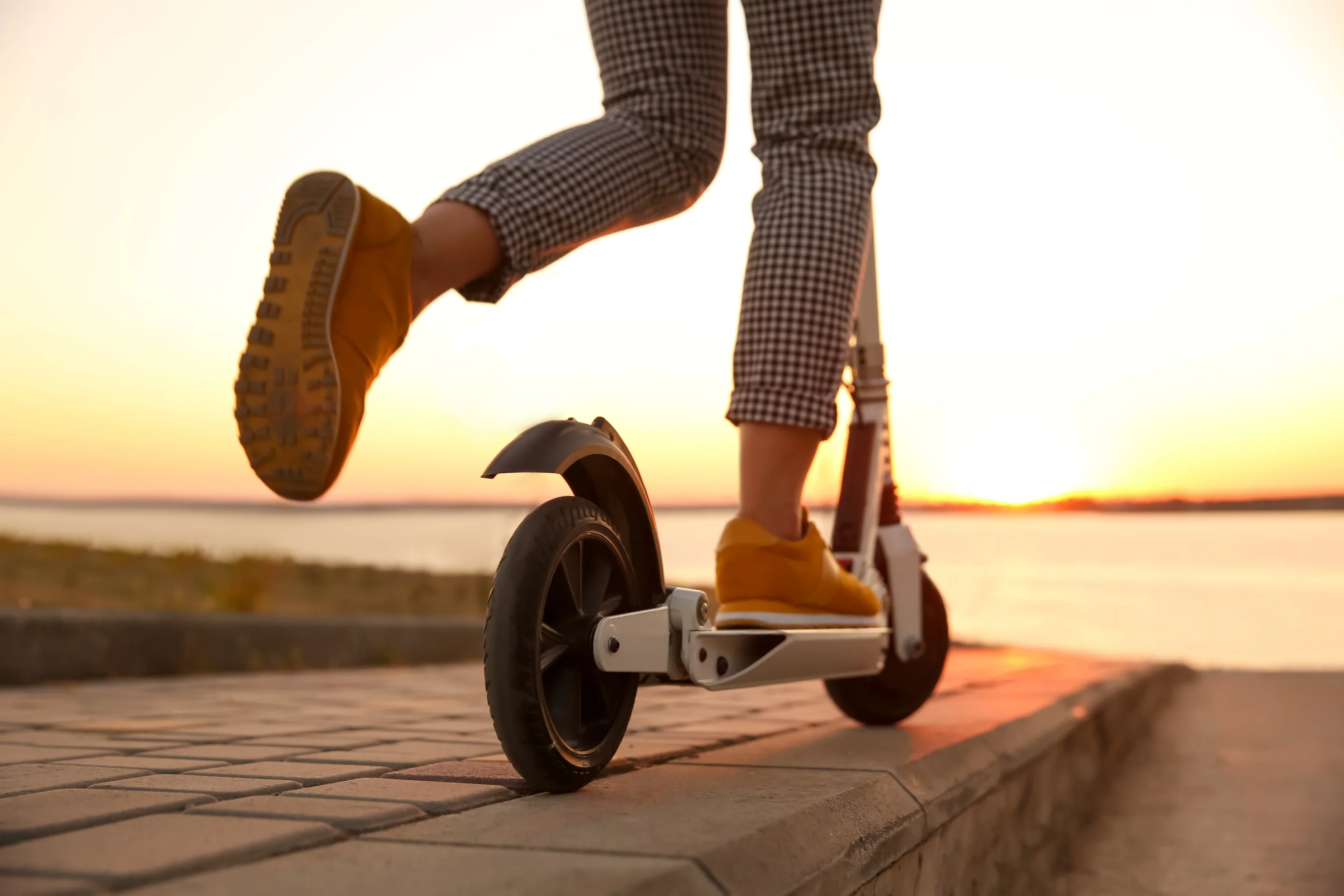
E-scooters are everywhere in Los Angeles and Orange County. They're convenient and fun, but accidents happen more often than you might think. If you've been hurt in an e-scooter accident, you're probably wondering if you can sue someone for your injuries.
The short answer is yes, you might be able to sue after an e-scooter accident. But it depends on several factors. Let's break this down in simple terms.
Who Can You Sue After an E-Scooter Accident?
Several parties might be responsible for your e-scooter accident. Here are the most common ones:
The E-Scooter Company
Companies like Bird, Lime, and Spin have flooded LA and OC streets with their scooters. You might be able to sue them if:
- The scooter had mechanical problems
- The brakes didn't work properly
- The company didn't maintain the scooter
- There were software glitches that caused the accident
However, these companies often have terms of service that try to limit their liability. This doesn't mean you can't sue them, but it might make things more complicated. Similar to e-bike defects, mechanical failures in personal transportation devices can lead to product liability claims if the manufacturer or company failed to maintain their equipment properly.
Other Drivers
If a car, truck, or motorcycle hit you while you were riding an e-scooter, you can likely sue the driver. This works just like any other vehicle accident. The driver's insurance should cover your damages if they were at fault. These cases typically follow standard traffic accident procedures.
Property Owners
Sometimes the property where you crashed is to blame. For example, if you hit a pothole or debris that a property owner should have cleaned up, you might have a case against them. Property owners have a duty to maintain safe conditions on their premises.
The City or County
Both Los Angeles and Orange County have responsibilities to keep their streets safe. If poor road conditions caused your accident, you might be able to sue the government entity responsible for that area. Government liability cases require special procedures and shorter filing deadlines.
When Can't You Sue?
There are situations where you might not be able to sue or collect damages:
You Were at Fault
If you caused the accident by riding recklessly or breaking traffic laws, it's harder to collect damages. California uses comparative negligence, which means your compensation gets reduced by your percentage of fault. Even partial fault doesn't eliminate your case entirely.
You Were Breaking the Law
Many cities in LA and Orange County have specific e-scooter laws. If you were riding on the sidewalk where it's prohibited, or riding under the influence, it weakens your case significantly. Helmet requirements vary by age and location.
You Assumed the Risk
Some accidents are just part of the normal risks of riding an e-scooter. If you hit a clearly visible obstacle that any reasonable rider would have avoided, you might not have a strong case. Courts consider what a reasonable person would do in similar circumstances.
What Damages Can You Recover?
If you have a valid case, you might be able to recover several types of damages:
Medical Expenses
This includes emergency room visits, surgery, physical therapy, and future medical care related to your injuries. E-scooter accidents often result in head injuries, broken bones, and road rash that require extensive treatment. Documentation is crucial for these claims.
Lost Wages
If your injuries kept you out of work, you can seek compensation for lost income and reduced earning capacity. This includes both current lost wages and future earning potential if you have permanent disabilities. Self-employed individuals can also recover for lost business income.
Pain and Suffering
This covers the physical pain and emotional distress caused by your accident and injuries. Pain and suffering damages can be substantial in severe injury cases. California doesn't cap these damages in most personal injury cases.
Property Damage
If your phone, clothes, or other belongings were damaged in the accident, you can include these costs. Keep receipts for replacement items and repair estimates for damaged property.
Challenges in E-Scooter Cases
E-scooter accident cases can be tricky. Here's why:
Multiple Insurance Policies
Figuring out which insurance company should pay can be complicated. Your health insurance, auto insurance, and the at-fault party's insurance might all be involved. Some policies exclude coverage for certain types of personal transportation devices.
Proving Fault
E-scooter accidents often happen quickly and without witnesses. Proving who was at fault can be challenging without clear evidence. Security cameras, cell phone footage, and accident reconstruction experts can be crucial. Gathering proper evidence is essential for proving accident claims in personal transportation device cases.
Company Terms of Service
E-scooter companies include lengthy agreements that users must accept. These often try to limit the company's liability, though they're not always enforceable. Courts sometimes find these agreements unconscionable or against public policy.
Jurisdictional Issues
With multiple cities and counties having different e-scooter regulations, determining which laws apply can be complex. Los Angeles, Santa Monica, Beverly Hills, and Orange County cities each have different rules. This affects both liability and available remedies.
Steps to Take After an E-Scooter Accident
If you're in an e-scooter accident, here's what you should do:
- Get medical attention immediately, even if you feel fine
- Call the police and file a report for any significant accident
- Take photos of the scene, your injuries, and the scooter from multiple angles
- Get contact information from witnesses and ask them to stay until police arrive
- Don't admit fault or sign anything except necessary police documents
- Contact a personal injury attorney as soon as possible
- Preserve the clothes you were wearing and any damaged personal items
- Keep detailed records of all medical treatment and expenses
The Importance of Legal Representation
E-scooter cases involve complex liability issues that require experienced legal guidance. Insurance companies often try to minimize payouts or deny claims entirely. An experienced attorney can navigate the complex web of potential defendants and insurance policies. If you're unsure about your current legal representation, getting a second opinion from another attorney can help you understand all your options and ensure you're getting the best possible representation for your case.
Time Limits for Filing a Lawsuit
In California, you typically have two years from the date of your accident to file a personal injury lawsuit. However, if you're suing a government entity, you might have as little as six months to file a claim. Some claims against government entities require filing within 90 days.
Don't wait to seek legal advice. Evidence disappears, witnesses forget details, and important deadlines can pass quickly. The sooner you act, the better your chances of preserving crucial evidence.
Recent Legal Developments
E-scooter law is still evolving as courts deal with new cases. Recent California decisions have clarified some liability issues, but many questions remain unanswered. Cities are also updating their regulations as they gain more experience with these devices.
Insurance companies are developing new policies specifically for e-scooter accidents. Understanding these developments can significantly impact your case strategy and potential recovery.
The Bottom Line
Yes, you can sue after an e-scooter accident, but success depends on the specific facts of your case. The key is proving that someone else's negligence caused your injuries. Multiple parties may be liable, and determining the best legal strategy requires careful analysis of all the circumstances.
E-scooter accidents in Los Angeles and Orange County are becoming more common as these devices gain popularity. If you've been injured, understanding your legal rights is the first step toward getting the compensation you deserve. Don't let insurance companies or e-scooter companies convince you to accept less than you're entitled to receive.

Talk to a UCLA-trained attorney directly.