
Can Defective E-Scooters Lead to Product Liability Claims?
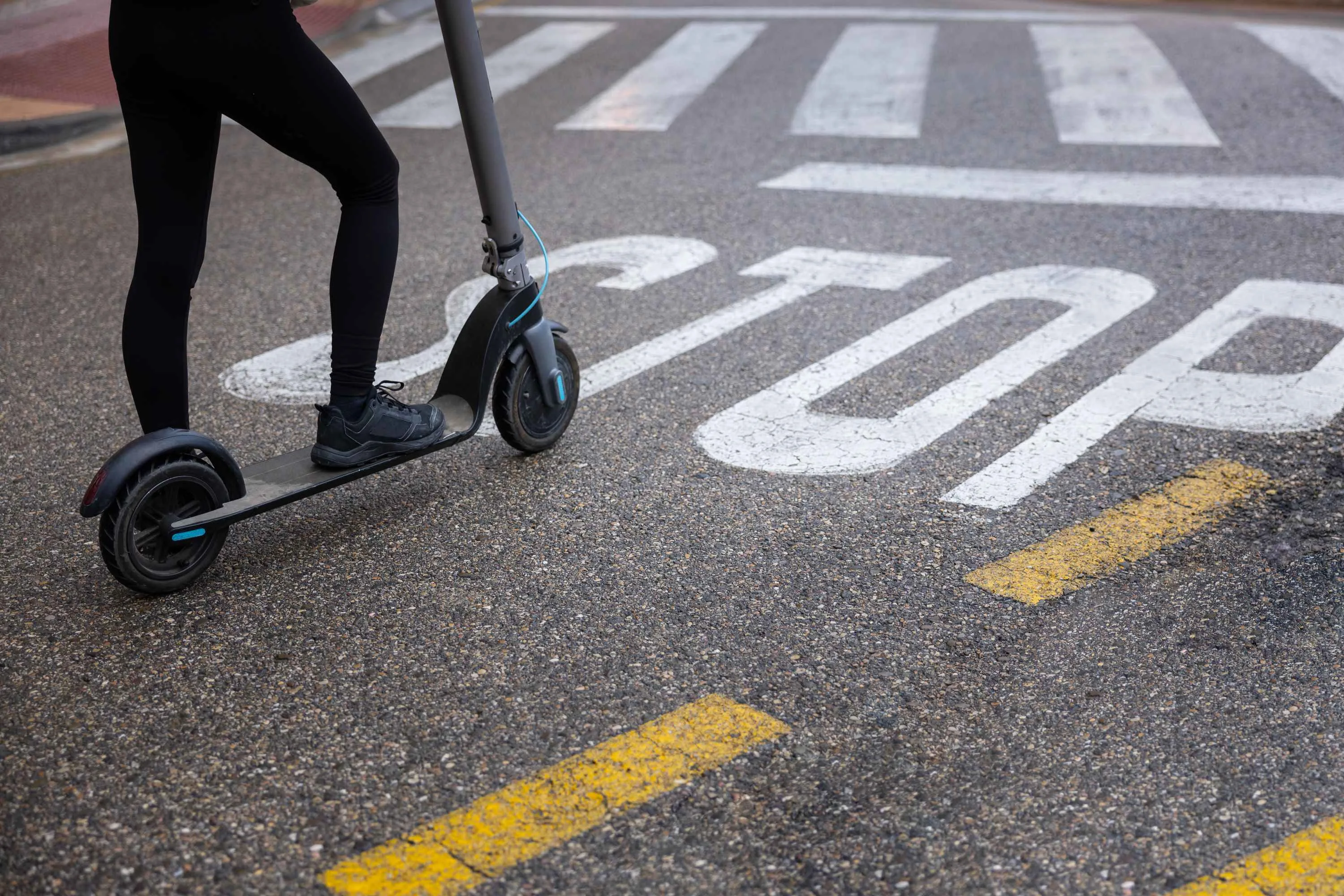
E-scooters have transformed how people get around Los Angeles and Orange County. You see them everywhere - from Santa Monica Beach to Disneyland's parking areas. But what happens when these convenient devices malfunction and cause serious injuries?
The short answer is yes, defective e-scooters can definitely lead to product liability claims. When an e-scooter has a manufacturing defect, design flaw, or lacks proper safety warnings, the company that made it can be held responsible for injuries. Similar to how defective e-bikes create liability issues, these cases require careful analysis of what went wrong and who bears responsibility.
What Makes an E-Scooter "Defective"?
Not every e-scooter accident means the device was defective. Sometimes riders fall because of user error or road conditions. But certain problems point to defects that could support a product liability claim.
Manufacturing defects happen during production. Think of an e-scooter that leaves the factory with loose bolts or faulty wiring. These units don't match the intended design and can be dangerous. Quality control failures at overseas factories often create these problems, especially when companies prioritize speed over safety.
Design defects affect entire product lines. Maybe the e-scooter's braking system is inherently unsafe, or the handlebars are positioned in a way that makes steering difficult. Even when manufactured perfectly, these design issues make the product unreasonably dangerous. Engineers might cut corners to reduce costs, creating systemic safety problems across thousands of units.
Warning defects involve inadequate instructions or safety information. If an e-scooter doesn't warn users about weight limits, battery hazards, or proper maintenance, the manufacturer might be liable when someone gets hurt. Many companies provide minimal documentation, assuming users will figure things out themselves.
Common E-Scooter Defects That Cause Injuries
Several types of defects frequently show up in e-scooter injury cases across California:
Battery problems are surprisingly common and potentially catastrophic. Lithium-ion batteries can overheat, catch fire, or explode without warning. In Los Angeles County, emergency rooms have treated burns from e-scooter battery malfunctions. Cheap batteries from unregulated suppliers create the biggest risks, especially when charging systems lack proper safety controls.
Brake failures cause many serious accidents that could have been prevented with better engineering. When brakes don't engage properly or fail completely, riders can't stop safely. This is especially dangerous on Orange County's hilly terrain where gravity amplifies the consequences. Cable-actuated brakes are particularly prone to stretching and failure over time.
Steering issues make e-scooters hard to control in critical moments. Loose handlebars, faulty steering mechanisms, or poor weight distribution can send riders into traffic or obstacles. The compact design of most e-scooters leaves little margin for error when steering components malfunction.
Acceleration problems catch riders off guard when they least expect it. Some e-scooters suddenly accelerate without warning or fail to respond to throttle inputs. Faulty sensors or programming glitches in the motor controller often cause these dangerous malfunctions.
Structural failures happen when frames crack, wheels break, or folding mechanisms give way unexpectedly. These catastrophic failures often cause severe injuries because riders have no warning before the e-scooter falls apart beneath them. Cheap materials and inadequate stress testing contribute to these problems.
Who Can Be Held Liable?
Product liability law in California allows injured people to sue various parties in the supply chain. You don't have to figure out exactly who caused the problem - the law recognizes that consumers shouldn't bear this burden.
Manufacturers are the most obvious targets for liability claims. Whether it's a major brand or unknown overseas company, manufacturers can be held strictly liable for defective products. This strict liability standard means you don't have to prove negligence, just that the product was defective and caused your injury.
Distributors and retailers can also face liability under California's comprehensive product liability framework. The store that sold the e-scooter or the company that imported it might be responsible for damages. This gives injured consumers multiple potential sources of compensation when overseas manufacturers are hard to reach.
Rental companies like Bird and Lime have additional responsibilities beyond simple product sales. They must maintain their fleets and remove dangerous units from service when problems are discovered. Regular safety inspections and prompt repairs become legal obligations, not just business best practices.
What Damages Can You Recover?
California product liability law allows recovery of several types of damages when defective e-scooters cause injuries. The compensation can be substantial, especially for serious accidents.
Medical expenses include emergency room visits, surgeries, physical therapy, and ongoing treatment that may continue for months or years. Given California's high healthcare costs, these can add up quickly to tens of thousands of dollars. Future medical needs must also be considered in calculating appropriate compensation.
Lost wages cover income you miss while recovering from your injuries. This includes both past losses and reduced future earning capacity if injuries are permanent or long-lasting. California's high cost of living makes wage losses particularly significant for most working families.
Pain and suffering compensation addresses the physical and emotional impact of injuries on your daily life. Severe e-scooter accidents can cause lasting trauma that affects relationships, sleep, and overall quality of life. These damages often exceed the economic losses in serious cases.
Property damage covers personal items damaged in the accident, like phones, laptops, or clothing. While typically smaller than other damages, these losses can still add up to meaningful amounts, especially for expensive electronics or professional equipment.
Challenges in E-Scooter Product Liability Cases
These cases aren't always straightforward, despite strong consumer protection laws. Several factors can complicate e-scooter product liability claims and require experienced legal handling.
Proving the defect exists requires expert analysis and sophisticated testing procedures. You'll need engineers or other specialists to examine the e-scooter and identify what went wrong. This process can be expensive and time-consuming, but it's essential for building a strong case.
Preserving evidence is crucial but difficult in the chaos following an accident. E-scooters often get damaged in accidents or disappear before anyone can inspect them properly. Rental companies may retrieve units quickly, making it harder to conduct thorough examinations later.
Identifying responsible parties can be tricky in our global economy. Many e-scooters are made overseas by companies with limited U.S. presence, making it harder to pursue claims. Shell companies and complex corporate structures often obscure who really controls manufacturing decisions.
Comparative fault might reduce your recovery under California's comparative negligence system. If you were speeding, riding under the influence, or violating traffic laws, your compensation could be decreased proportionally. However, product defects can still create liability even when riders share some fault.
Steps to Take After an E-Scooter Defect Injury
If you believe a defective e-scooter caused your injury, quick action helps protect your legal rights. Time is critical in these cases for multiple reasons.
Get medical attention immediately, even for seemingly minor injuries that might worsen over time. This creates documentation and ensures proper treatment while building the medical record you'll need for any legal claim. Don't tough it out or wait to see if you feel better.
Preserve the e-scooter if possible and don't allow anyone to tamper with potential evidence. Don't let rental companies retrieve it or try to repair damage yourself, as this could destroy crucial evidence about what caused the malfunction.
Document everything thoroughly while memories are fresh and evidence is available. Take photos of the scene, your injuries, and the e-scooter from multiple angles. Get contact information from witnesses who saw what happened.
Report the incident to the rental company if applicable, and consider filing a police report for serious injuries. This creates an official record and may help identify patterns of similar problems with the same product model.
Keep all receipts related to your medical treatment, lost wages, and other expenses flowing from the accident. Consulting with an experienced attorney early can help ensure you're documenting everything properly for maximum recovery.
The Importance of Acting Quickly
Time limitations create additional pressure in product liability cases. California's statute of limitations gives you limited time to file a lawsuit, typically two years from the date of injury. But evidence preservation and witness memories deteriorate much faster than legal deadlines.
Rental companies regularly retire and dispose of e-scooters from their fleets. Once a potentially defective unit gets scrapped, proving your case becomes much more difficult. Security camera footage also gets deleted, and witnesses forget important details about what they observed.
Early investigation can also reveal whether other people have experienced similar problems with the same product model. This pattern evidence strengthens individual cases and may lead to broader recalls or safety improvements. Getting professional legal advice quickly ensures you don't miss crucial opportunities to build the strongest possible case.
The Bottom Line
Defective e-scooters can absolutely lead to successful product liability claims in Los Angeles and Orange County. California's consumer protection laws provide strong remedies when dangerous products cause injuries, but success requires prompt action and thorough preparation.
The key is identifying whether your accident resulted from a true product defect versus user error or road conditions. Manufacturing flaws, design problems, and inadequate warnings can all support liability claims against e-scooter companies, but proving these defects requires expert analysis and careful evidence preservation.
If you've been injured by what you believe was a defective e-scooter, acting quickly helps preserve evidence and protect your rights under California law. The complex technical and legal issues involved make professional guidance particularly valuable in these cases.

Talk to a UCLA-trained attorney directly.