
Are E-Scooter Riders Considered Motorists or Pedestrians?
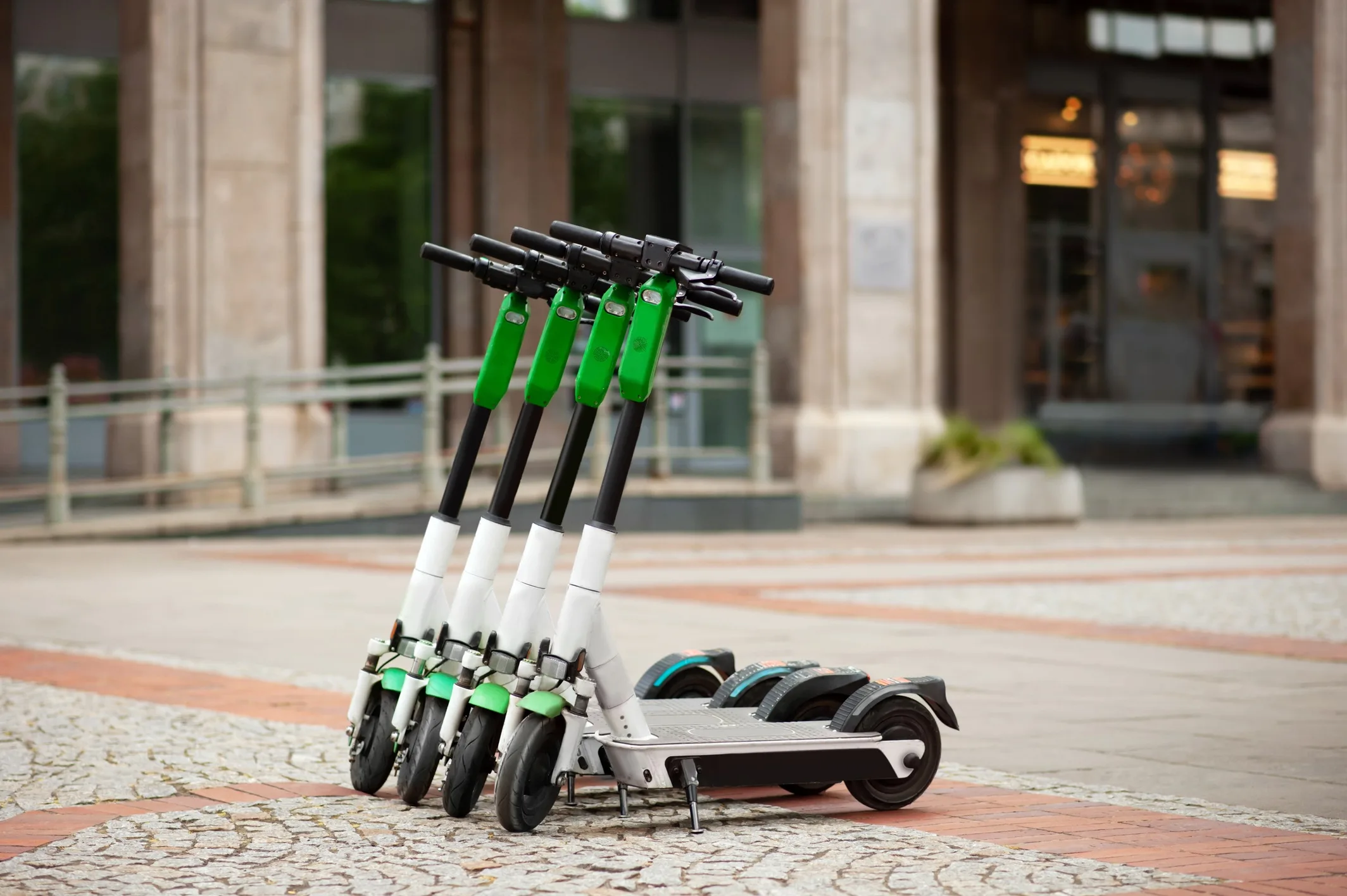
If you've ever hopped on an e-scooter in Los Angeles or Orange County, you might wonder: am I a motorist or a pedestrian right now? It's a fair question. The answer isn't as simple as you'd think.
E-scooter riders exist in a legal gray area. They're not quite motorists, but they're not pedestrians either. California law treats them as something in between.
What California Law Says About E-Scooters
California Vehicle Code defines e-scooters as "motorized scooters." But here's the catch - they're not classified the same way as cars or motorcycles. They get their own special category.
Think of it like this: a bicycle isn't a car, but cyclists still follow many traffic rules. E-scooters work similarly. They have their own set of rules that borrow from both motor vehicle and pedestrian laws.
In Los Angeles and Orange County, e-scooter riders must follow specific guidelines. You need to ride in bike lanes when available. If there's no bike lane, you ride as close to the right curb as possible. You can't ride on sidewalks in most areas.
Speed Limits and Equipment Rules
California caps e-scooter speeds at 15 mph on regular roads. In some areas of Los Angeles, the limit drops to 8 mph. Orange County cities often set their own speed restrictions too.
You don't need a driver's license to ride an e-scooter. But you do need to be at least 16 years old. Helmets aren't required for adults, though they're strongly recommended.
Here's where it gets interesting for insurance purposes. Since e-scooters aren't motor vehicles under California law, you don't need vehicle insurance to ride one. Your health insurance would typically cover injuries from an e-scooter accident.
What Happens in an Accident?
This is where the motorist-versus-pedestrian question really matters. If you're hit by a car while riding an e-scooter, several factors determine fault and coverage.
Were you following traffic laws? Were you in a bike lane or on the road where you're supposed to be? These details matter a lot. If you were riding legally, the car driver's insurance would likely cover your injuries.
But if you were breaking e-scooter laws - like riding on a sidewalk where it's prohibited - things get complicated. You might share fault for the accident.
In Orange County, many cities have banned sidewalk riding entirely. Los Angeles allows it in some areas but not others. Knowing your local rules matters for your legal protection.
When disputes arise about fault or coverage, getting a second opinion from an experienced attorney can help clarify your rights. Many accident cases involving e-scooters require specialized knowledge of both vehicle and pedestrian laws.
Insurance Coverage Challenges
Since e-scooter riders aren't technically motorists, they don't get the same insurance protections as drivers. Your auto insurance might not cover e-scooter accidents at all.
Some insurance companies are starting to offer e-scooter coverage. But it's not standard yet. Most riders rely on their health insurance and potentially the other party's auto insurance if there's an accident.
Personal injury protection (PIP) coverage from your auto policy might help. But this varies by insurer and policy. You'd need to check your specific coverage.
Unfortunately, insurance companies sometimes drag their feet when processing claims involving newer technologies like e-scooters. The novelty of these cases can lead to delays. This leaves injured riders in difficult positions while waiting for resolution.
City-Specific Rules Matter
Los Angeles and Orange County cities each have their own e-scooter ordinances. Santa Monica has different rules than Anaheim. Some cities require helmets. Others don't allow e-scooters at all.
Before you ride, check local laws. A quick Google search for "[city name] e-scooter laws" usually gives you what you need. Most city websites have this information readily available.
Parking rules vary widely too. Some areas require you to park in specific zones. Others just say "don't block sidewalks." Getting this wrong could mean fines.
The enforcement of these rules isn't always consistent. Some areas strictly ticket violations. Others are more lenient. Don't count on lenient enforcement - follow the rules regardless.
Liability in Multi-Party Accidents
What if you're on an e-scooter and hit a pedestrian? Now you're somewhere between a motorist and pedestrian yourself. California's comparative negligence laws apply.
This means fault gets divided based on everyone's actions. If you were speeding on your e-scooter and hit someone, you'd likely bear most of the fault. But if the pedestrian stepped into traffic without looking, they might share some responsibility.
Your homeowner's or renter's insurance might cover liability claims against you. But again, this isn't guaranteed. Check your policy or ask your agent.
Multi-party accidents can become extremely complex from a legal standpoint. Each party's insurance company has different interests. Documentation becomes crucial - photos, witness statements, and police reports all matter significantly.
Common E-Scooter Accident Scenarios
Door crashes happen frequently. A parked car's door opens suddenly, and an e-scooter rider can't stop in time. Who's at fault? Usually the person opening the door, but the e-scooter rider's speed and lane position matter too.
Intersection accidents are another concern. E-scooters are quiet and small. Drivers sometimes don't notice them when turning. These cases often involve questions about visibility and right-of-way.
Mechanical failures can cause accidents as well. Just like with defective e-bikes, faulty e-scooter components can lead to crashes and potential product liability claims against manufacturers.
Surface hazards pose unique risks for e-scooter riders. Potholes, debris, or uneven pavement can cause serious crashes. The small wheels and lightweight construction make e-scooters particularly vulnerable to road conditions that wouldn't affect cars.
When to Seek Legal Help
Not every e-scooter accident requires a lawyer. Minor scrapes with clear fault usually resolve without legal intervention. But certain situations definitely warrant professional help.
Serious injuries always justify legal consultation. Medical bills add up quickly. Lost wages compound the problem. An experienced attorney can help ensure you receive appropriate compensation.
If fault is disputed, you need legal guidance. Insurance companies often try to minimize payouts. They might argue that e-scooter riders share more fault than they actually do.
Cases involving multiple parties or insurance companies become complicated fast. Getting legal advice early can protect your rights and prevent costly mistakes.
The Bottom Line
E-scooter riders aren't motorists or pedestrians - they're their own category. This creates unique challenges for insurance coverage and accident claims.
If you ride e-scooters regularly in Los Angeles or Orange County, consider reviewing your insurance coverage. Make sure you understand what's covered and what isn't.
Follow local traffic laws strictly. Your legal protection depends on riding legally and safely. When in doubt, err on the side of caution.
The legal landscape for e-scooters continues evolving. Laws and insurance options will likely improve as these devices become more common. For now, understanding your current legal status helps protect you on the road.

Talk to a UCLA-trained attorney directly.