
Are E-Scooter Accidents Treated Like Bicycle or Pedestrian Cases?
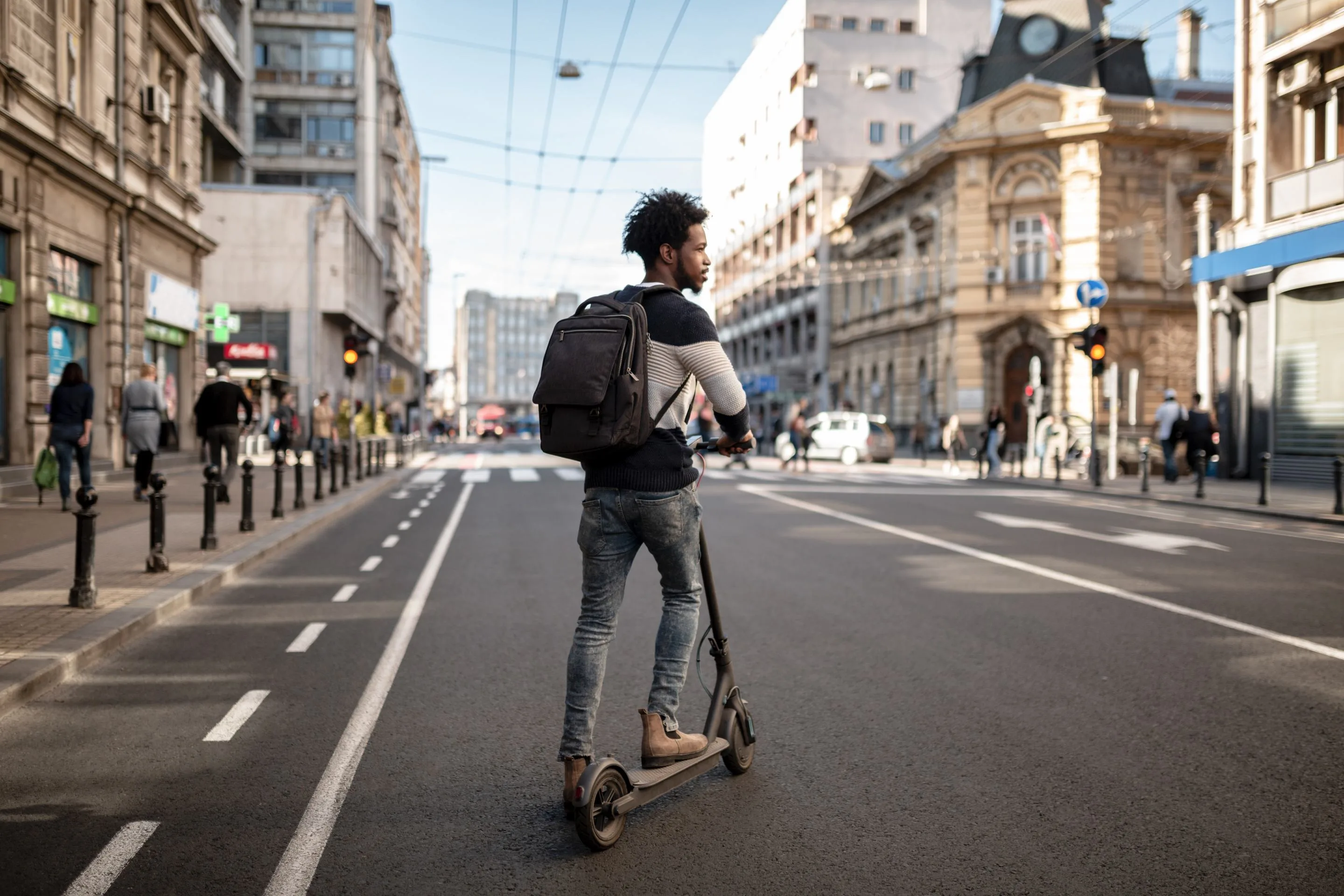
The Gray Area of E-Scooter Legal Classification
E-scooters have exploded in popularity across Los Angeles and Orange County. You see them everywhere - from Santa Monica Boulevard to Newport Beach. But when accidents happen, things get confusing fast.
The legal system hasn't fully caught up with this transportation trend. E-scooters don't fit perfectly into existing categories. They're not quite bicycles, not quite pedestrian devices, and definitely not cars.
This creates real problems when you're trying to figure out liability and compensation after an accident. Many riders discover too late that their assumptions about legal protections were completely wrong, leaving them vulnerable to insurance company tactics that might not apply in traditional pedestrian cases.
How California Law Views E-Scooters
Under California Vehicle Code, e-scooters are classified as "motorized scooters." This puts them closer to bicycles than to pedestrians in legal terms.
Here's what this means practically:
- E-scooter riders must follow many of the same traffic rules as cyclists
- They're supposed to use bike lanes when available
- Helmet requirements apply (though enforcement varies)
- Speed limits are typically capped at 15 mph on city streets
In Los Angeles County, many cities have adopted their own e-scooter regulations. Santa Monica has different rules than West Hollywood. Orange County cities like Irvine and Huntington Beach have their own approaches too.
Understanding these nuances becomes crucial when building your case. Local ordinances can significantly impact fault determination and available remedies in ways that surprise even experienced personal injury attorneys.
Insurance Company Perspectives
Insurance companies often treat e-scooter accidents more like bicycle cases. This isn't always good news for injured riders.
When a car hits a cyclist, there's usually clear liability if the driver was at fault. The same logic applies to e-scooter accidents. But insurance adjusters sometimes try to shift more blame onto e-scooter riders.
They might argue that e-scooter riders are less predictable than cyclists. Or that the scooters themselves are less stable and harder to control.
These arguments can affect settlement negotiations and jury verdicts. Insurance companies have developed specific strategies for e-scooter cases that differ from their standard bicycle accident playbook, often focusing on rider inexperience and equipment unfamiliarity as contributing factors.
Where the Accident Happens Matters
Location plays a huge role in how your case gets handled.
Sidewalk Accidents: If you're riding on a sidewalk and get hurt, your case might look more like a pedestrian accident. But in many California cities, sidewalk riding is prohibited. This complicates things.
Bike Lane Accidents: These clearly fall into bicycle accident territory. The legal framework is more established here.
Street Accidents: When e-scooters share regular traffic lanes, courts typically apply bicycle accident precedents.
In downtown Los Angeles, you might be in a dedicated bike lane one block and sharing a busy street the next. Each scenario creates different legal considerations. The transition zones between these areas present particular challenges, as both riders and drivers may be unclear about right-of-way rules and expectations.
Liability Differences That Matter
The biggest practical difference comes down to how fault gets assigned.
Pedestrian accidents often favor the pedestrian. Drivers have a high duty of care toward people on foot. Even when pedestrians make mistakes, drivers usually bear significant responsibility.
Bicycle accidents involve more shared responsibility. Cyclists are expected to follow traffic laws and ride predictably. Courts look more closely at what both parties did wrong.
E-scooter cases tend to follow the bicycle model. This means your actions matter more. Were you wearing a helmet? Following traffic laws? Riding at appropriate speeds?
Courts are still developing consistent approaches to e-scooter rider responsibilities, creating uncertainty that skilled attorneys must navigate carefully. Getting a second opinion from an experienced personal injury lawyer can help you understand how these evolving standards might affect your specific situation.
Compensation Considerations
The type of case classification affects potential compensation in several ways.
Medical expenses work the same regardless of classification. If you're hurt, those bills need to be paid.
But pain and suffering calculations can vary. Juries might view e-scooter riders differently than pedestrians or cyclists. Some see e-scooter riders as taking on more risk by choice.
Lost wages follow similar patterns regardless of accident type. The key is proving how your injuries affected your ability to work.
Property damage claims for e-scooters can be tricky since many riders don't own the devices they're using. Rental agreements often shift certain liabilities back to the rider in ways that don't exist in traditional bicycle accidents.
The Role of E-Scooter Companies
This is where e-scooter cases get really unique. Companies like Bird, Lime, and Spin have different liability exposure than bicycle manufacturers.
If a mechanical failure causes your accident, you might have a product liability case. This is separate from whether your case looks like a bicycle or pedestrian accident. Product liability claims for defective micro-mobility devices are becoming increasingly common as these vehicles see heavy use and minimal maintenance.
Some e-scooter companies carry insurance that covers rider injuries. Others push liability back onto riders through user agreements.
In Los Angeles and Orange County, different cities have negotiated different liability arrangements with e-scooter companies. These municipal agreements can create additional layers of complexity when determining who's responsible for injuries and damages.
Evidence Collection Challenges
E-scooter accidents present unique evidence collection challenges. Unlike bicycles, rental scooters often have GPS tracking and speed data that could be crucial to your case.
However, accessing this data requires prompt legal action. Scooter companies typically don't preserve ride data indefinitely. App screenshots showing your route and speed can disappear if not captured quickly.
Additionally, many e-scooter accidents happen in areas with limited witness availability compared to typical pedestrian crosswalk accidents. Gathering evidence becomes more critical and more challenging simultaneously.
Practical Advice for E-Scooter Riders
Understanding legal classification helps, but prevention is better than any lawsuit.
Follow bicycle safety practices. Wear a helmet. Use bike lanes when available. Follow traffic signals and signs.
If you do get in an accident, document everything. Take photos. Get witness information. Seek medical attention even for minor injuries.
Don't assume your case will be treated exactly like a bicycle or pedestrian accident. E-scooter cases have their own complexities.
Preserve your ride data immediately after an accident. Screenshot your app, note the scooter ID number, and document any mechanical issues you noticed before the crash.
The Bottom Line
E-scooter accidents typically get treated more like bicycle cases than pedestrian cases under California law. But every situation is different.
The specific facts of your accident matter more than general classifications. Where you were riding, what traffic laws apply, and how the accident happened all influence your case.
If you've been injured in an e-scooter accident in Los Angeles or Orange County, don't try to figure out these complexities alone. The legal landscape is still evolving, and you need someone who understands both the similarities and differences between e-scooter, bicycle, and pedestrian cases. A second opinion can protect your legal rights when dealing with these emerging areas of personal injury law.

Talk to a UCLA-trained attorney directly.